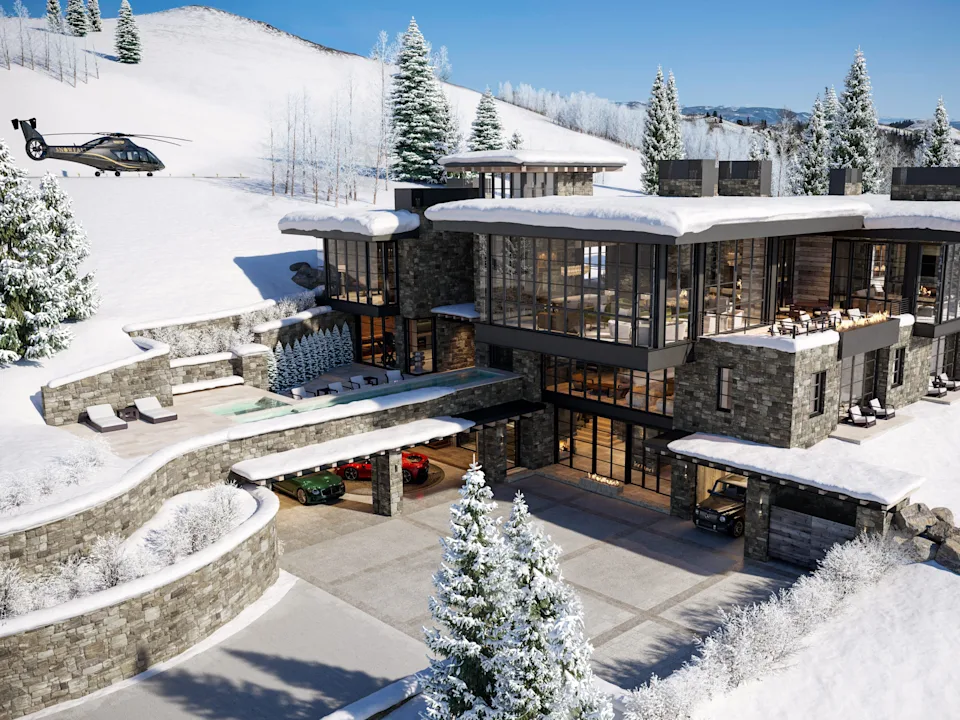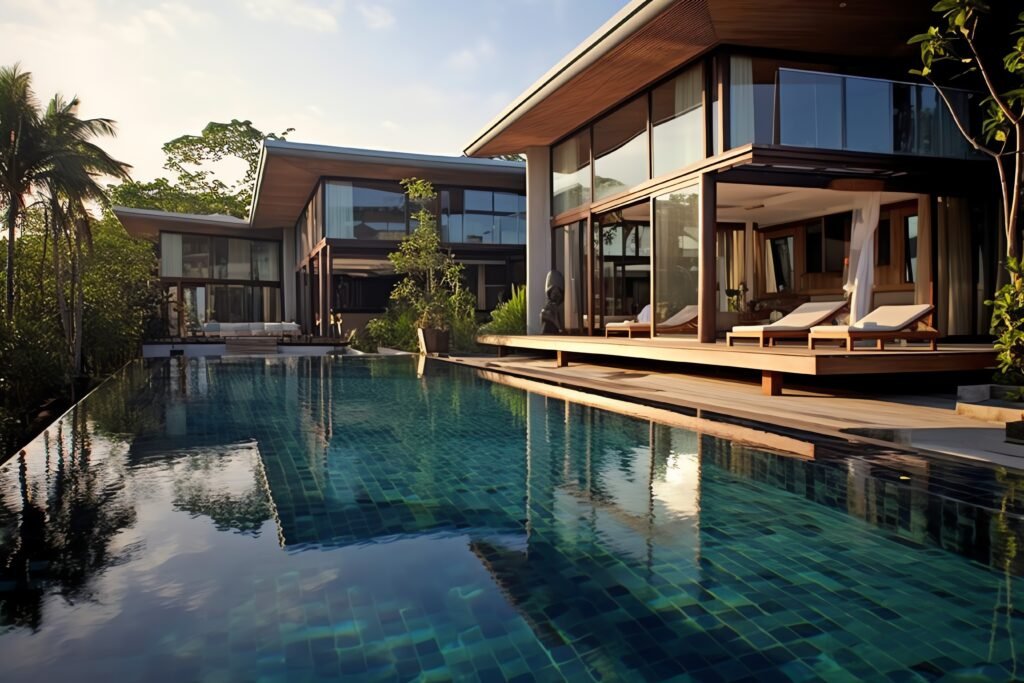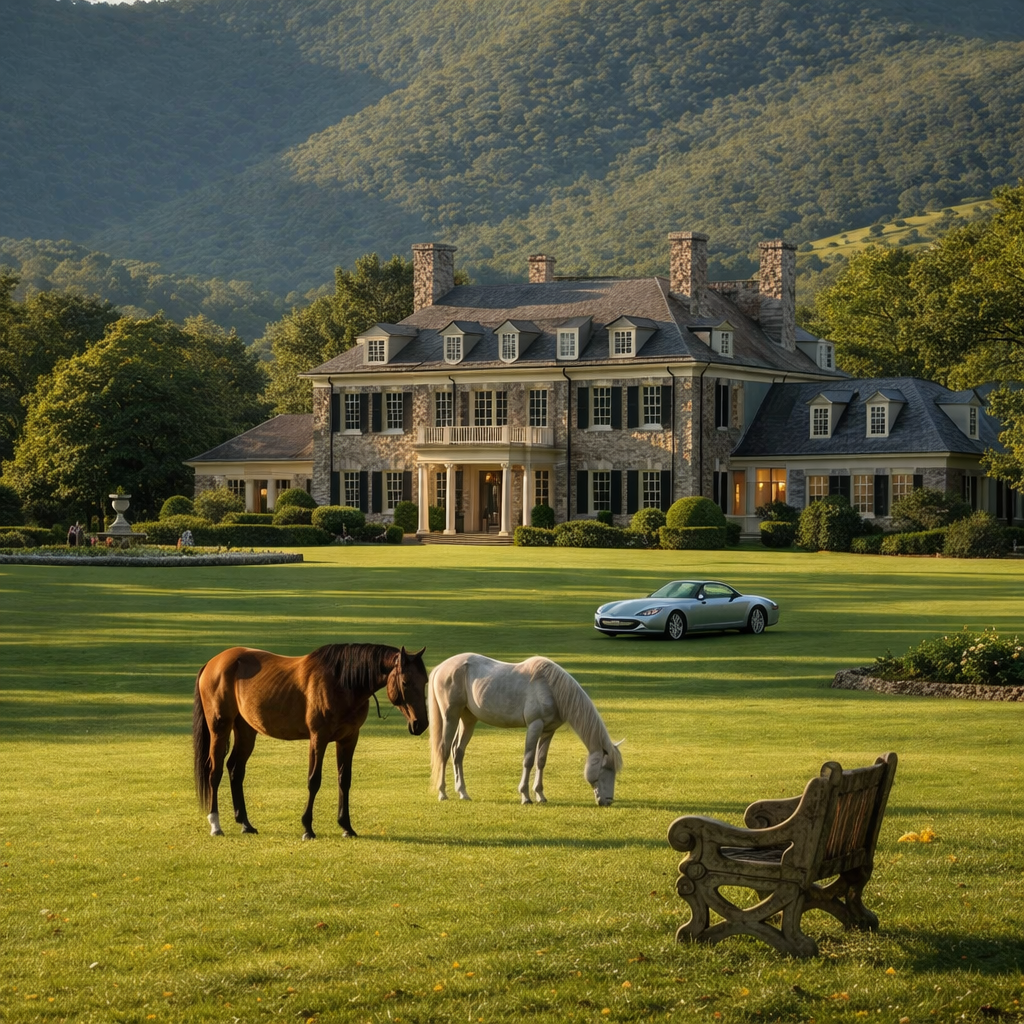
In the shifting landscape of global wealth, quiet luxury real estate has emerged as the new emblem of affluence—serene, discreet, and enduring. Far from the spectacle of gilded penthouses and baroque displays, this refined category prioritizes architectural integrity, natural materials, and generational permanence over conspicuous design. Industry analysts note a growing appetite among ultra-high-net-worth individuals for properties that whisper distinction rather than announce it.
The Evolution from Opulence to Restraint
Legacy buyers and multigenerational families are now favoring a design ethos rooted in scarcity, custom craftsmanship, and timelessness. According to recent market reports, properties with minimalist aesthetics and heritage-driven context consistently outperform their flashier counterparts in long-term desirability and private sale liquidity. The shift reflects a broader move toward value-driven living, where provenance matters more than profile.
Architects and interior designers aligned with this sensibility—such as John Pawson, Rose Uniacke, and Axel Vervoordt—have become arbiters of taste within this quiet paradigm. Their work, often informed by wabi-sabi or European monastic forms, emphasizes space, light, and material honesty. These are residences one inhabits rather than showcases: refined but restrained, rare but never ostentatious.
Market Movement in Private Enclaves
Locations telling this story of quiet prestige are rarely loud. In Europe, heritage compounds tucked into Tuscany or the Balearics are commanding attention for their authenticity and protected vistas. Across the Atlantic, destinations like Montecito, Jackson Hole, and the Hudson Valley draw prominent buyers with their cultural gravity and spatial privacy. According to private brokers, transaction activity in these regions is sustained by referrals and discreet multigenerational strategy, not speculative churn.
Buyers in this segment are often invisible to the public market. Their negotiations are unhurried, often off-market, and typically involve cross-border legal and estate planning counsel. As one luxury advisor noted, “Quiet luxury buyers are less interested in lifestyle marketing—they’re acquiring places to anchor a legacy.”
The Role of Sustainable Design and Craft
Quiet luxury real estate also aligns closely with regenerative design and artisanal provenance. Stone quarried on site, reclaimed wood, hand-finished plaster, and passive solar architecture are not simply sustainable choices; they are aesthetic signatures of this more discreet luxury code. These choices impart emotional as well as environmental value, lending intangible longevity to each residence.
Builders and developers in this arena now favor limited-run properties, intentionally resisting scale in favor of cultural specificity. This includes collaborations with local artisans and preservationists—whether restoring a chateau in the Dordogne or commissioning a contemporary villa in Comporta. Ownership in this context becomes more than a financial asset; it becomes a stewarding of heritage.
Provenance as Social Capital
In today’s world of digital visibility and algorithmic reach, discretion has become its own form of cachet. Properties with quiet lineage—perhaps held for decades, perhaps touched by a celebrated architect without fanfare—signal identity through depth rather than broadcast. Ultra-high-net-worth buyers are increasingly viewing land, architecture, and even landscape as extensions of personal philosophy.
Quiet luxury thus reveals itself not only in walls and windows, but in intent. A villa at the edge of the Umbrian hills, renovated with limewash by hand; a coastal estate shaded by ancient olive groves; a Manhattan townhouse with no plaque, only patina—these are the markers of a taste that rejects impermanence.
Looking Ahead: The Prestige of Understatement
As financial markets recalibrate and geopolitical uncertainties persist, the allure of permanence and subtlety grows. Private investors are re-evaluating their physical holdings not merely as safe haven assets, but as cultural statements. Real estate, once seen as a trophy, is now a canvas for restraint.
This is not a fleeting trend. It is part of a broader movement toward enduring value—a preference for integrity in place of extravagance. If luxury was once measured in square footage and spectacle, its next chapter returns to form, to feeling, to finesse.
In the most rarefied circles, true luxury no longer needs to speak loudly. It is recognized in silence, protected by privacy, and elevated by time.