Amid the evolving codes of ultra-luxury, where quiet refinement is eclipsing overt opulence, a distinctive segment of fine watchmaking has reemerged as a standard of enduring excellence: grand complications. In 2025, as discerning collectors seek substance beyond aesthetics, haute horology—particularly pieces with mechanical complexity—has become the defining symbol of cultivated luxury.
The Allure of Mechanical Mastery
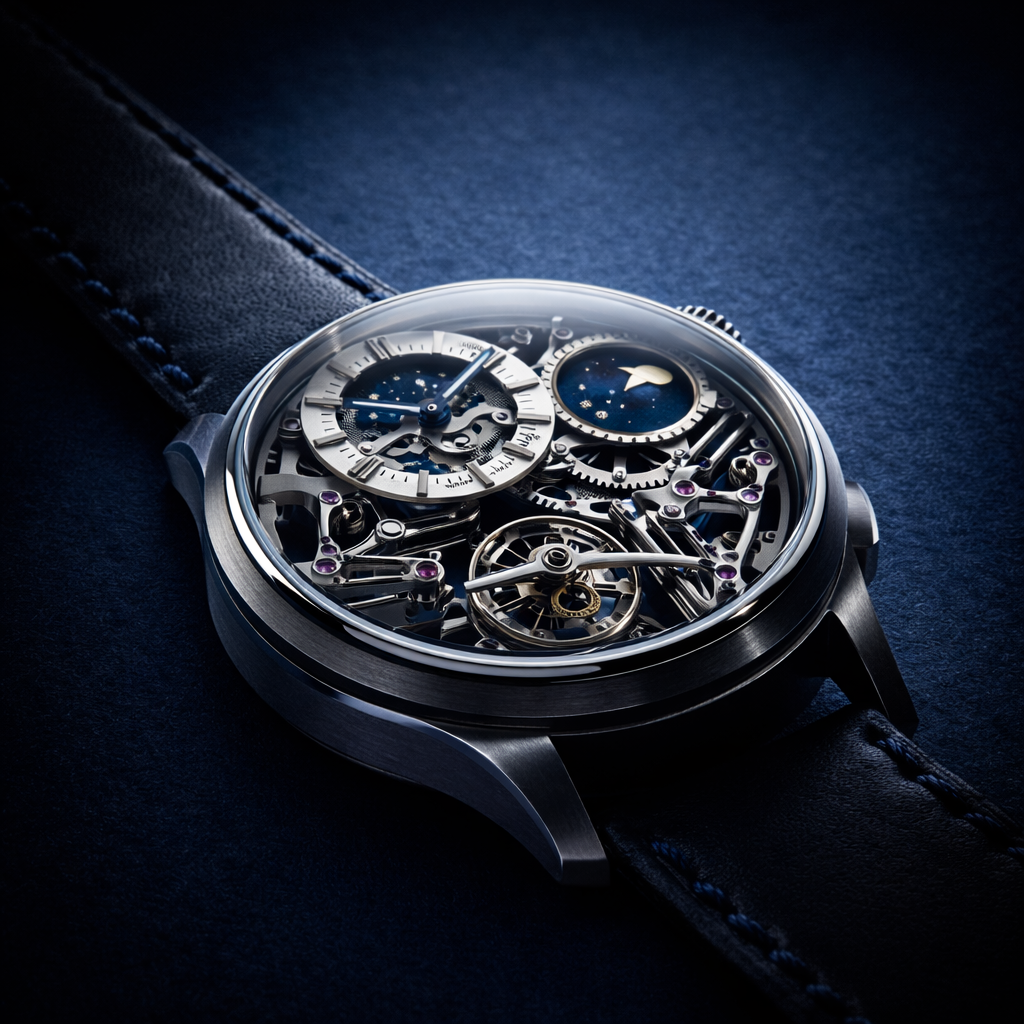
Grand complications—timepieces that unite several complex mechanisms such as perpetual calendars, tourbillons, minute repeaters, and chronographs—stand at the summit of haute horology. These creations are not merely watches; they are microcosms of precision engineering and generational savoir-faire.
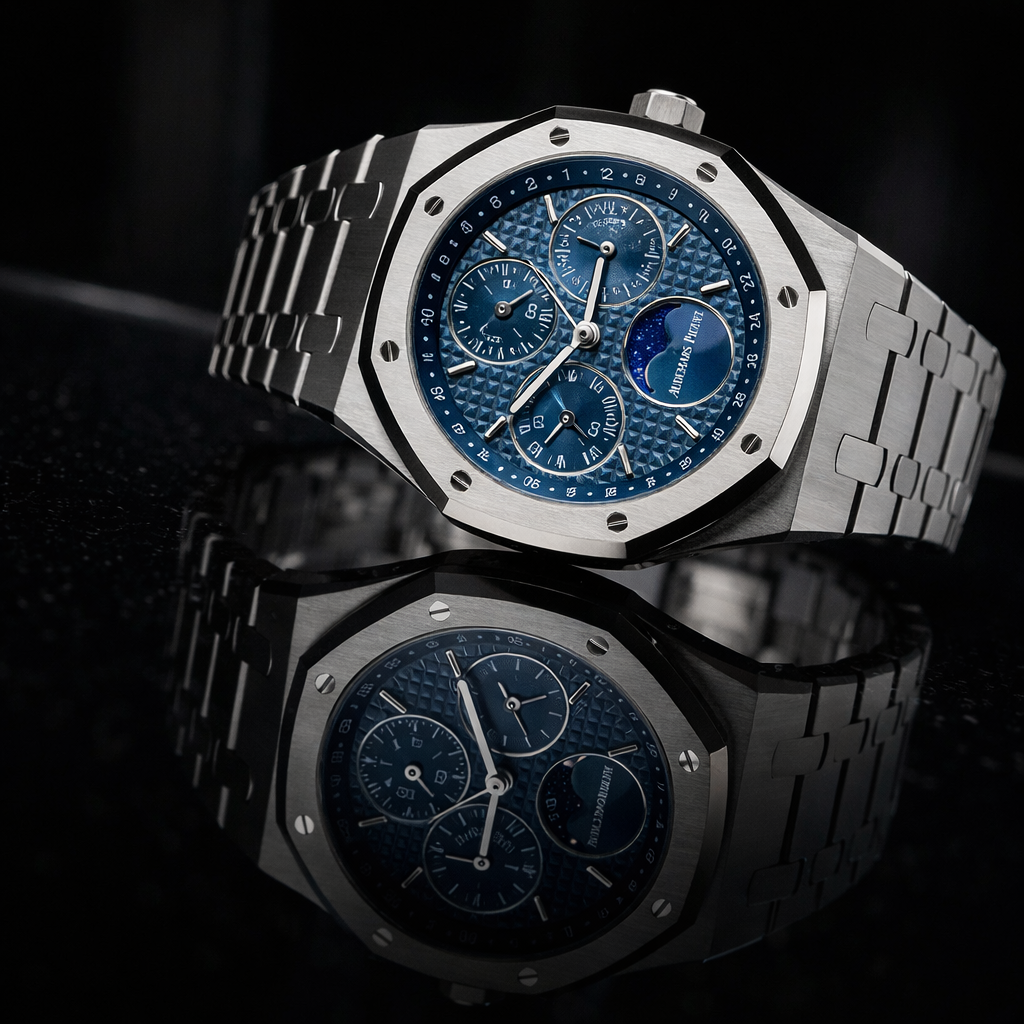
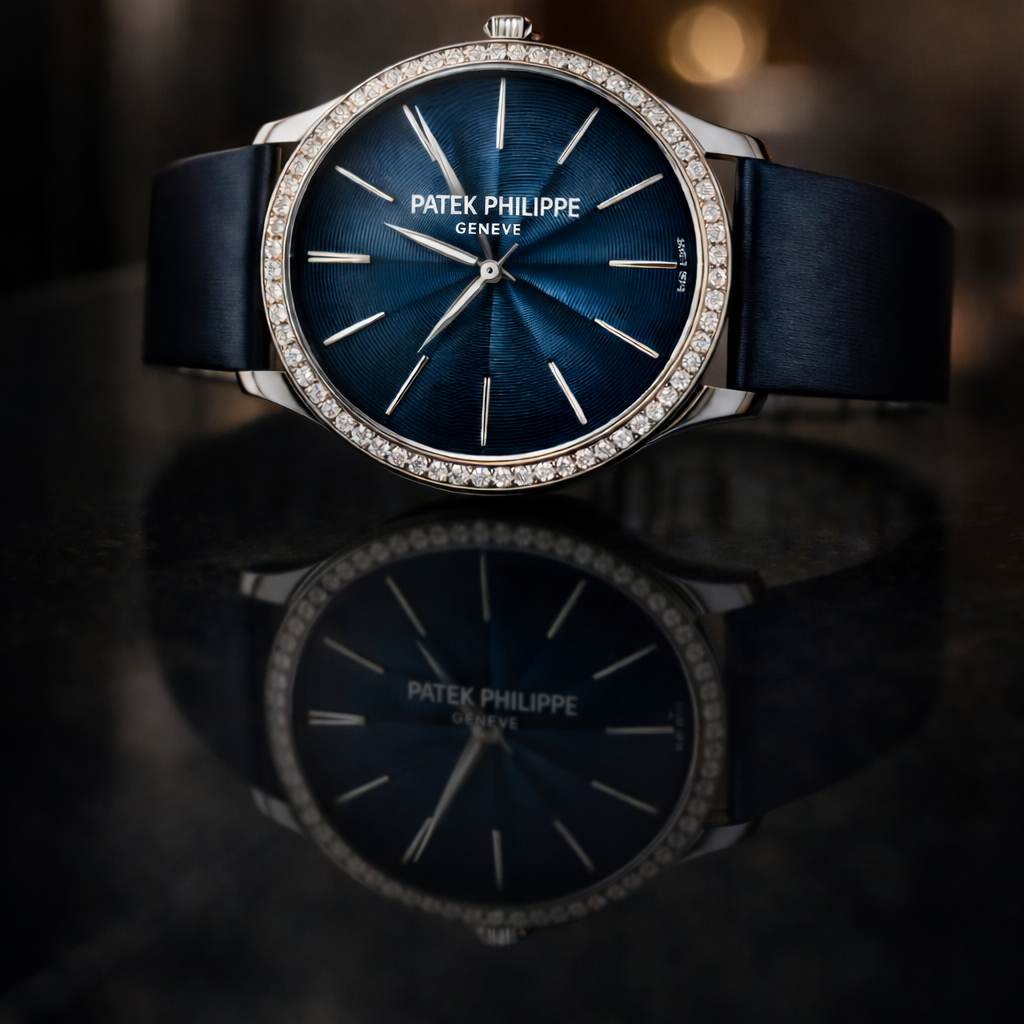
Watch maisons including Patek Philippe, Audemars Piguet, and Vacheron Constantin continue to lead this segment, with releases showcasing multi-complication calibres presented in understated, wearable formats—a notable evolution from the ornate showcases of the past. Industry analysts note a growing preference for discreetly integrated complexity, signaling a shift in luxury tastes post-pandemic: restraint, not exuberance, commands attention.
Changing Tastes and the Value of Rarity
The global fine watch market has seen a marked increase in demand for low-production, high-complication pieces. According to recent market reports, collectors are increasingly drawn to references produced in limited numbers, often by ateliers with dedicated métiers d’art divisions. Rarity, combined with horological merit, is reshaping value in the uppermost echelons of watch collecting.
At auction, grand complications continue to outperform trend-based models. A landmark example: fervent bidding for a unique Patek Philippe Grandmaster Chime, unveiled at Only Watch 2023, reinforced the long-term investment perspective associated with such rarities. In 2025, prestige no longer lies in brand alone—it resides in mechanisms that challenge the frontiers of mechanical interpretation.
Craft as the Ultimate Luxury
Haute horology thrives not merely on technical specification, but on the artistry of execution. Components often invisible to the eye—hand-finished bridges, black-polished screws, and Geneva stripes—speak to an obsessive attention to detail. Tourbillons, among the most revered complications, have found renewed life not as visible flourishes but as integral feats of chronometry.
Maison Greubel Forsey continues to elevate the architectural language of complications. Its balanced symmetry and multi-axis tourbillon designs create dimension beyond timekeeping. Similarly, A. Lange & Söhne’s dedication to German silver and engraved balance cocks underscores a cultural fidelity to craft that resonates with today’s collectors seeking authenticity over novelty.
The Rise of Private Commissions
Bespoke watchmaking, once a discreet privilege of maison loyalists, is becoming a visible force in the conversation surrounding complications. Clients are increasingly commissioning custom pieces built around specific mechanical functions: a secular perpetual calendar or minute repeater precisely calibrated to regional gongs. These designs not only require years of development but also close collaboration between private clients and in-house master watchmakers.
This bespoke ethos reflects a wider trend within ultra-luxury markets: highly personalized ownership that prioritizes narrative and intent. In haute horology, the watch becomes less an accessory and more an heirloom of philosophical precision.
Technology Respectfully Engineered
While mechanical watchmaking is inherently traditional, its future integrates discreet innovation. Advanced materials such as silicon escapements and anti-magnetic alloys ensure that mechanical complications remain resilient, precise, and relevant. Brands like Breguet and Ulysse Nardin have embraced this considered modernity—maintaining classic exteriors while revisiting movement architecture behind the dial.
Market observers suggest that the clientele for grand complications is not resistant to progress, so long as it respects legacy. The use of computational analytics in calibrating minute repeaters or regulating chronometric performance ensures preservation of hand-craft while advancing reliability. The result is a balance between analog soul and digital exactitude.
Collectible Sophistication
The secondary market for grand complications has matured, with collectors placing increasing focus on provenance, movement integrity, and production volume. Unlike speculative interest surrounding steel sports watches, complicational horology commands a supervisory eye for calibres and workshops. The rise of watch literature and independent scholarship over the last decade has further educated the collector class on the nuance of finishing, architecture, and historical context.
Independent makers such as F.P. Journe and Kari Voutilainen continue to expand the influence of low-volume, high-touch watchmaking. Their complications—crafted in ateliers with fewer than 15 employees—serve as spiritual counterpoints to commoditized luxury. For many, ownership signifies participation in a lineage of ideas rather than a transaction.
Looking Forward With Discipline
Haute horology in 2025 is not driven by novelty, but by integrity—mechanical, aesthetic, and cultural. Grand complications mark the convergence of artistic heritage and contemporary restraint. Their complexity does not scream; it whispers with authority only perceptible to those trained to listen.
As global wealth holders recalibrate their definitions of status and permanence, grand complications offer more than rarity. They narrate a story of time not as fleeting, but as deeply constructed—crafted to endure, and to be understood across generations.