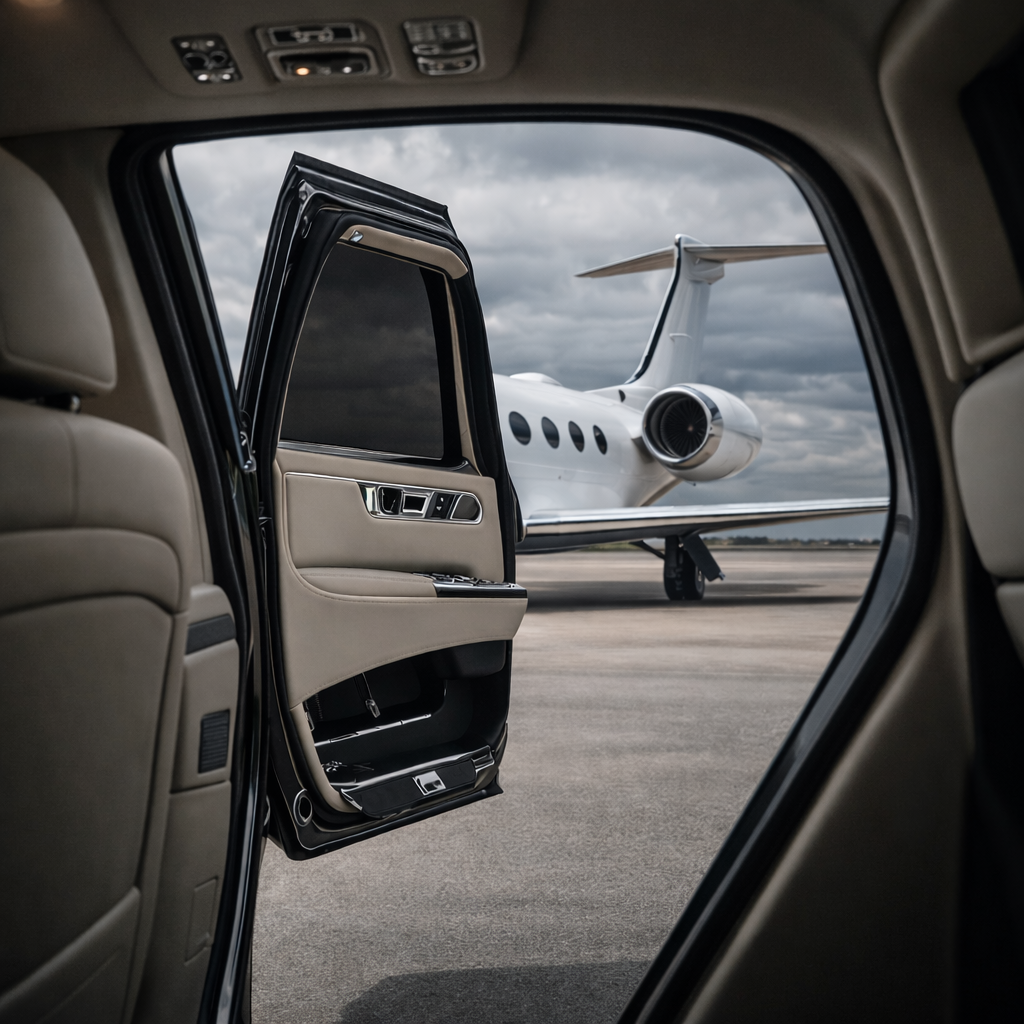
In an era dominated by autonomous promises and online ride-hailing platforms, luxury chauffeur services have reasserted their stature—not as relics of the past, but as deliberate choices for modern mobility. Market observers note a growing return to this classic mode of transport, signaling a desire among discerning individuals and corporations to reclaim time, privacy, and curated service amid the digital din.
Chauffeur Services in a Digital Economy
The concept of a private driver is evolving. Once associated solely with aristocracy and corporate dignitaries, the modern luxury chauffeur is a sophisticated extension of five-star hospitality. According to industry analysts, demand for premium ground transport has risen steadily over the past three years—fueled by executives, celebrities, and UHNWIs seeking controlled, seamless experiences free from the unpredictability of traditional ride-share models.
Today’s top-tier chauffeur services offer more than transport. Vehicles are curated—typically late-model Mercedes-Maybach sedans, Rolls-Royce Phantoms, or Bentley Flying Spurs—complete with climate-controlled cabins, in-transit concierge, biometric security, and unbroken Wi-Fi. The experience is increasingly integrated with personal logistics and lifestyle management, not unlike a mobile extension of a luxury hotel suite.
Privacy as a Commodity
At the highest levels of wealth and influence, privacy is paramount. Ground transportation is no exception. Chauffeur services occupy a space beyond convenience: they act as buffers between their clients and the world. Executive passengers prefer them for closed-door confidentiality, guarded routes, and drivers trained in personal security protocols. For public figures, political leaders, or discreet investors, this level of insulation is non-negotiable.
In response, firms are refining their offerings. Some services now include encrypted communications between passenger and driver, while others specialize in surveillance awareness or collaboration with private security teams. The luxury, it seems, is not just physical—it’s the absence of exposure.
The Role of Technology in Personalized Mobility
Discretion no longer precludes digital access. Elite chauffeur services are embracing advanced AI and predictive preferences to optimize the client experience. Itineraries adjust dynamically, preferred in-vehicle amenities are preloaded, and backend systems integrate with clients’ calendars, ensuring synchronicity without compromise. Personalization is quiet but omnipresent—delivering tailored routes, playlists, climate zones, and even mood lighting based on biometric cues.
Some providers now offer mobile platforms allowing clients to program monthly routines or authorize secondary passengers. In urban design circles, this movement is framed as “neo-private mobility”: a retreat from public systems without sacrificing efficiency or environmental consciousness. Hybrid and electric fleets—with opulent cabins—reinforce a subtle yet critical stance: one can travel deliberately and sustainably, without spectacle.
Reshaping Executive Travel Norms
Luxury chauffeur services extend deeper into the corporate sphere as global executives recalibrate the modes in which business is conducted in motion. Post-pandemic priorities favor health assurance, trusted proximity, and minimized stress over flash. For many, a chauffeured vehicle evolves into an informal boardroom—equipped for video calls, soundproofed against urban noise, and serviced with refreshments on tray.
Premium services such as Blacklane’s Executive Class or bespoke London-based firms mirror this shift, blending traditional protocol with contemporary lifestyle rhythm. Chauffeurs are increasingly multilingual, crisis-trained, and tech-enabled, anticipating not just routes but rhythms of influence and expectation. In cities like New York, Dubai, and Geneva, chauffeur services now join the core architecture of mobile executive planning, no longer relegated to episodic events or airport transfers.
A Global Renaissance of Analog Luxury
In Tokyo, elite chauffeur providers operate on centuries-old principles of etiquette, merging technology with the cultural aesthetics of omotenashi. In Los Angeles, transportation stylists pair clients with vehicles that match wardrobe palettes and press appearances. Paris continues its lineage of diplomacy on wheels, where blacked-out sedans glide through arrondissements with the quiet authority of old influence understated by modern discretion.
What connects these global interpretations is a shared rejection of friction. Luxury chauffeur service is less a mark of indulgence than of intentional presence—a way of arriving that speaks before a word is said.
The Future of Quiet Competence in Mobility
The resurgence of chauffeured travel isn’t a revival. It is a reassessment. Amid a culture saturated with immediacy and exposure, the deliberate pace and private framing of this model suggests a return of value to the intangible: control over timing, continuity of experience, and an unspoken competence.
As 2025 moves into a decade defined by hyper-personalization, market observers suggest that luxury mobility will not be defined by novelty, but nuance. And within that nuance, the chauffeur remains irreplaceable—an emblem of refinement not lost in time, but reinterpreted with purpose.
In the refined pulse of the global elite, how one moves remains as critical as where one is going. Chauffeur services, long seen as legacy symbols, now define the future of presence in transit.