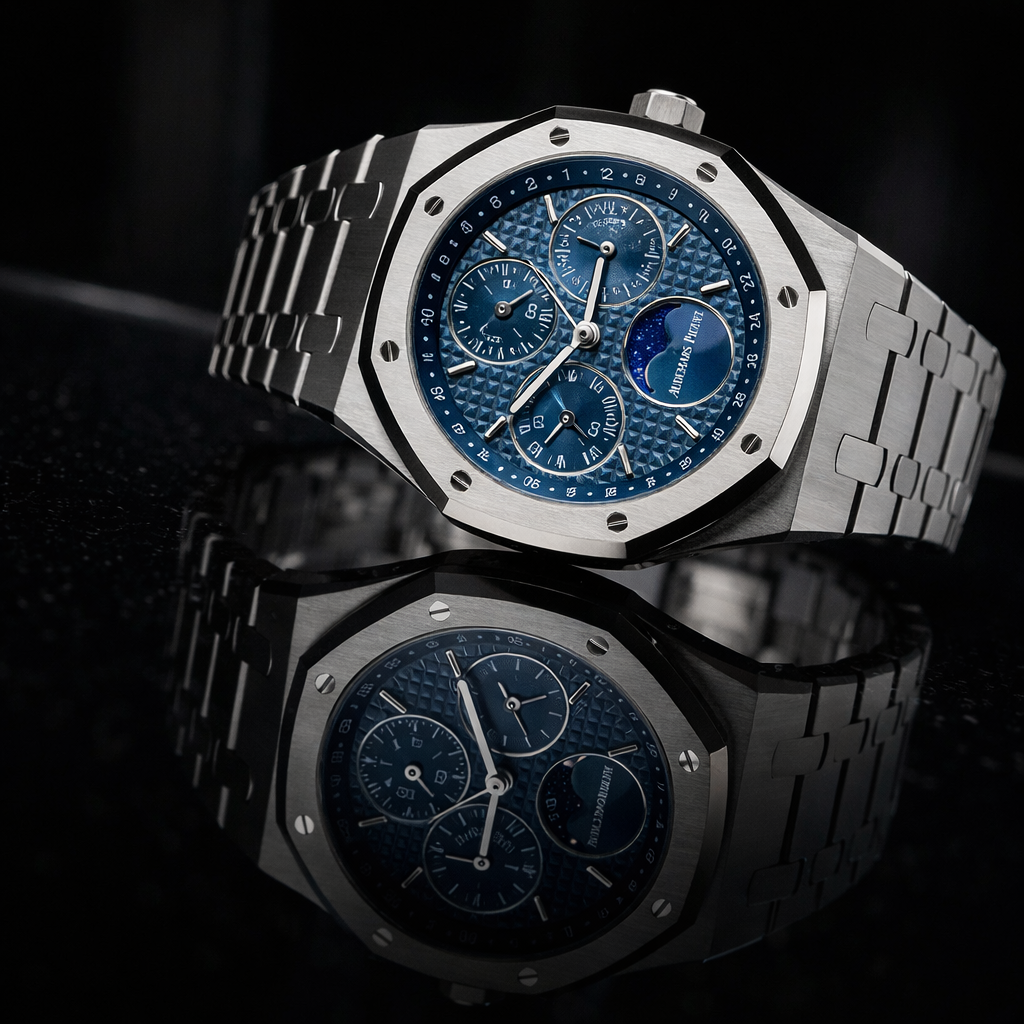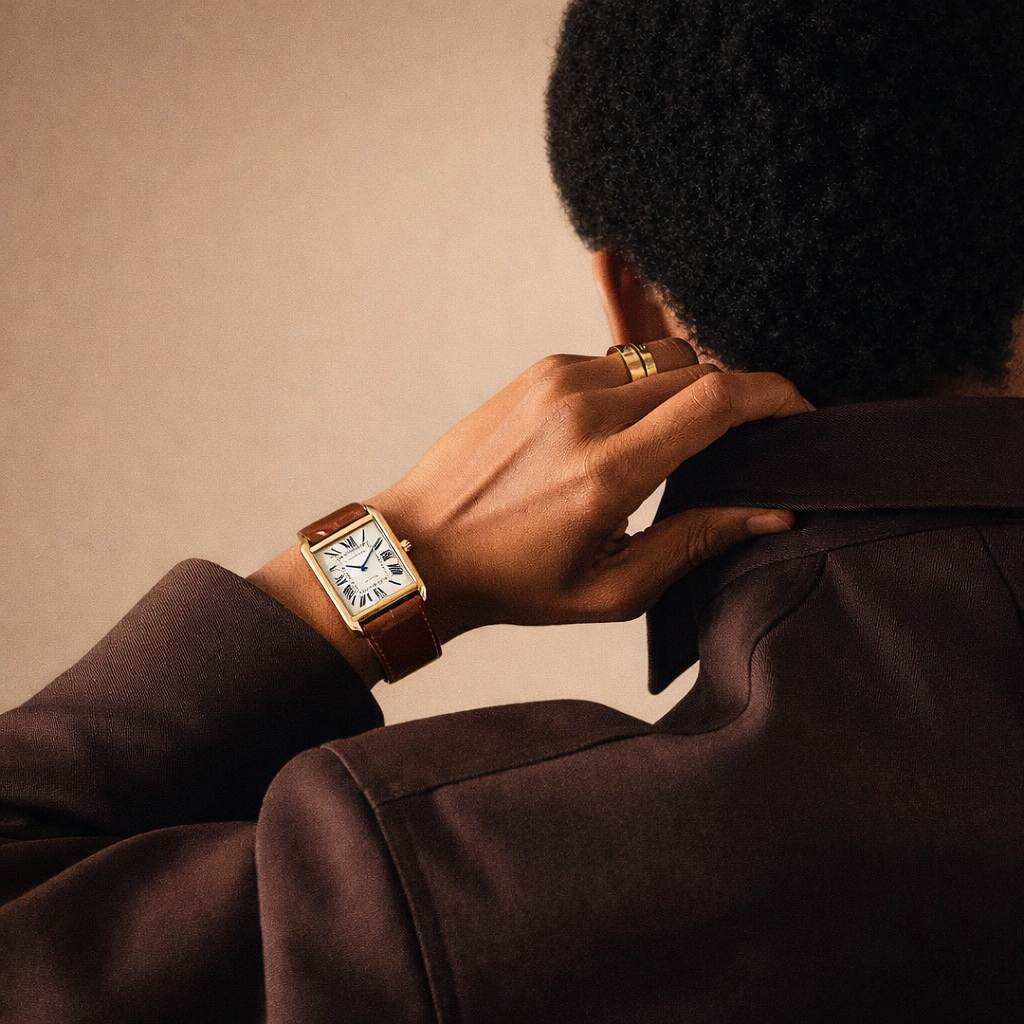
Cartier watches are designed to balance refined aesthetics with mechanical reliability. Whether crafted in steel, gold, or platinum, each Cartier timepiece is a precision instrument that requires disciplined care to preserve its accuracy, finish, and long-term value.
According to Cartier’s official service philosophy, proper ownership combines daily attention, correct handling, and periodic professional maintenance, carried out exclusively through the Maison’s authorized channels. This approach ensures that both the movement and the exterior components age as intended, without unnecessary wear or loss of value.
Service Intervals and Professional Maintenance
Cartier states that the movement of your watch must be serviced periodically, even if the watch appears to be functioning normally. Mechanical wear occurs gradually and is not always immediately visible in daily use.
The manufacture recommends:
- Regular inspections to monitor performance and condition
- A functional check approximately every six years to verify accuracy and reliability
- A complete service approximately every five to seven years for mechanical watches, depending on usage conditions and environment
A complete Cartier service includes full disassembly and lubrication of the movement, replacement of worn components using genuine Cartier parts only, water-resistance testing, and inspection of the case, bracelet, and clasp.
Cartier emphasizes that only Cartier boutiques and authorized service centers are equipped to preserve the integrity, water resistance, finishing, and long-term value of the watch. Unauthorized servicing may compromise seals, damage components, alter finishes, and negatively affect resale value.
Water Resistance: Design Limits Matter
Cartier explicitly notes that water resistance is not permanent. It is ensured by a set of seals that naturally degrade over time due to aging and regular use. These seals must be checked periodically by trained professionals.
To preserve water resistance, Cartier advises:
- Having water resistance checked regularly by Cartier master watchmakers
- Reading and complying with the water-resistance information engraved on the case back
- Ensuring the crown is fully returned to its original position after any adjustment
When using a water-resistant Cartier watch:
- Never operate the crown or pushers while the watch is wet or underwater
- Do not use functions such as manual winding, time setting, or chronograph operation underwater
- After swimming, rinse the watch in clear fresh water to neutralize the effects of salt or chlorine
Cartier also advises avoiding environments with excessive heat and humidity, such as saunas or hammams, as extreme conditions can accelerate seal degradation.
Leather-strapped models should never be immersed, regardless of the watch’s water-resistance rating.
Strap and Bracelet Care
Cartier highlights that straps and bracelets require material-specific care to maintain comfort, appearance, and durability.
Leather straps require particular attention. They must be kept away from water and all liquids and should not come into contact with perfumes, cosmetics, or alcohol-based products. Removing the watch at night allows the leather to breathe and slows premature aging. Cartier notes that leather straps are consumable components and will naturally age over time.
Metal bracelets may be gently cleaned using fresh water and a soft cloth, then dried carefully. Periodic inspection of links and clasps helps prevent excessive wear and ensures secure fastening.
Daily Wear, Storage, and Environmental Factors
Cartier advises owners to treat their watch as a precious object requiring continuous attention. Daily habits play a significant role in long-term preservation.
Best practices include:
- Storing the watch in a dry, temperature-stable environment
- Avoiding exposure to extreme heat or cold
- Keeping the watch away from magnetic sources such as electronic devices and magnets
- Avoiding repeated shocks, strong vibration, and contact sports
Magnetic fields can affect timekeeping accuracy, while impact and vibration may damage delicate mechanical components or compromise case integrity.
Mechanical Watches: Winding and Ongoing Care
Cartier notes that even when not worn, a mechanical watch must be wound regularly to ensure that the movement’s gears remain properly lubricated.
Additional guidance includes:
- On manual-winding watches, never force the crown once spring tension is felt
- If the watch begins to run noticeably fast or slow, servicing may be required before the recommended interval
Regular winding and attentive observation help prevent uneven wear and ensure stable performance.
Quartz Watches and Battery Care
For Cartier quartz watches, the average battery life is at least three years, depending on the model and usage.
Cartier recommends:
- Battery replacement exclusively at a Cartier boutique or authorized retailer
The Maison explicitly warns against leaving a depleted battery inside the watch. A used battery may leak, causing corrosion and permanent damage to the movement and internal components.
Ownership as Long-Term Stewardship
Cartier ownership is not defined by wear alone, but by care over time. Respecting service intervals, handling the crown correctly, protecting the watch from environmental stress, and relying exclusively on authorized expertise ensures that a Cartier timepiece retains its precision, aesthetic refinement, and heritage for decades to come.