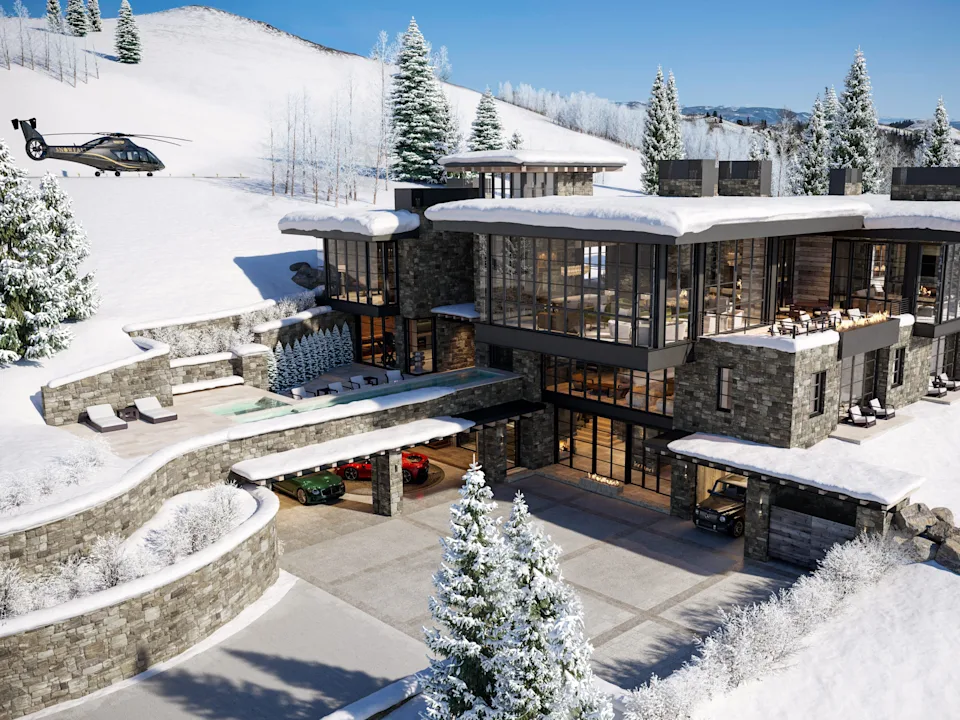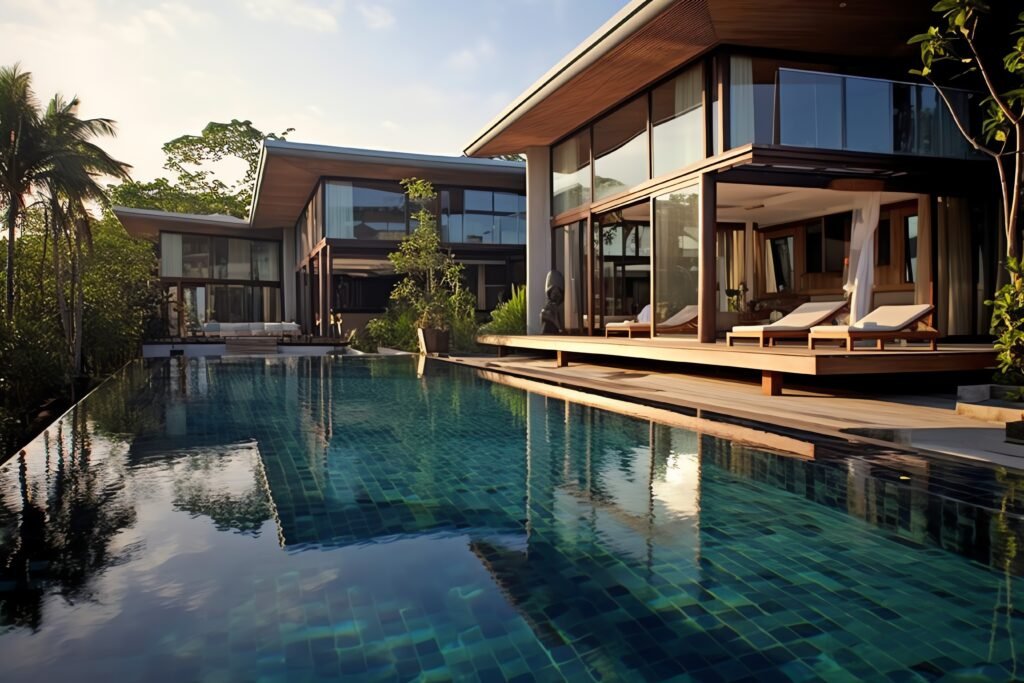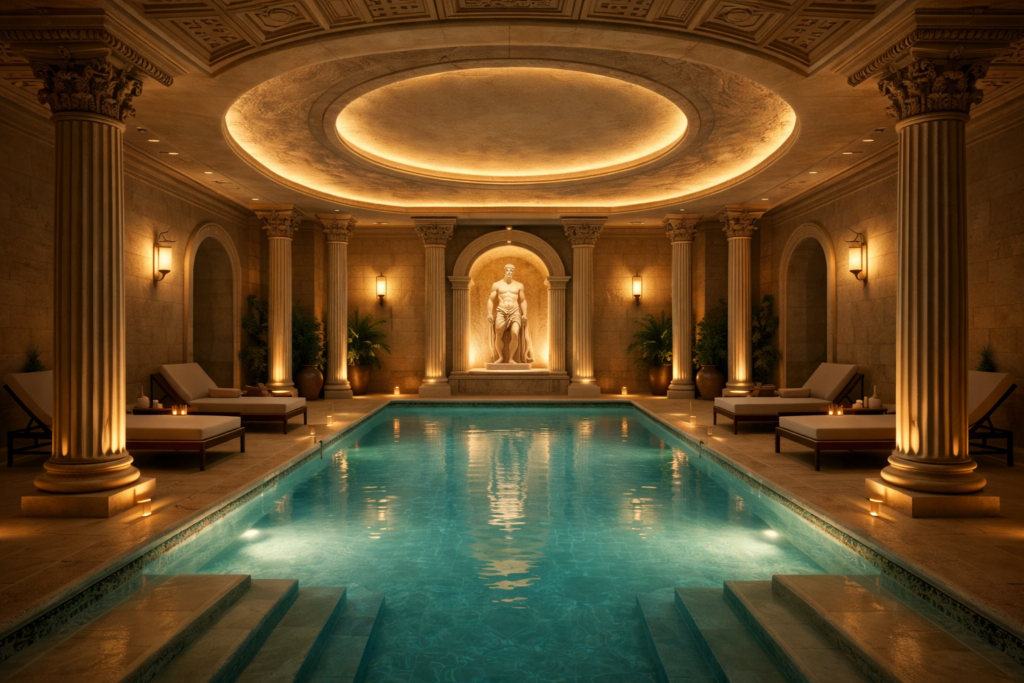
In today’s climate of geopolitical volatility and ecological unpredictability, the ultra-wealthy are quietly investing in a new kind of sanctuary: luxury bunkers. No longer austere concrete shelters buried deep underground, these multi-million-dollar compounds blend high design with resilience, occupying a nascent niche at the apex of real estate. For a discerning class of buyers who view security as a luxury in itself, these private fortresses represent long-term value and sovereignty.
The Evolution of Private Resilience Architecture
What began as utilitarian Cold War-era shelters has evolved into bespoke residences engineered to withstand biological threats, civil unrest, and infrastructural collapse. According to market observers, demand for such properties has accelerated in recent years, particularly among high net worth individuals seeking discreet contingency planning. Companies like Vivos and Rising S are responding with fully customized compounds that offer not only ballistic protection, but also the aesthetics and comforts expected of elite private estates.
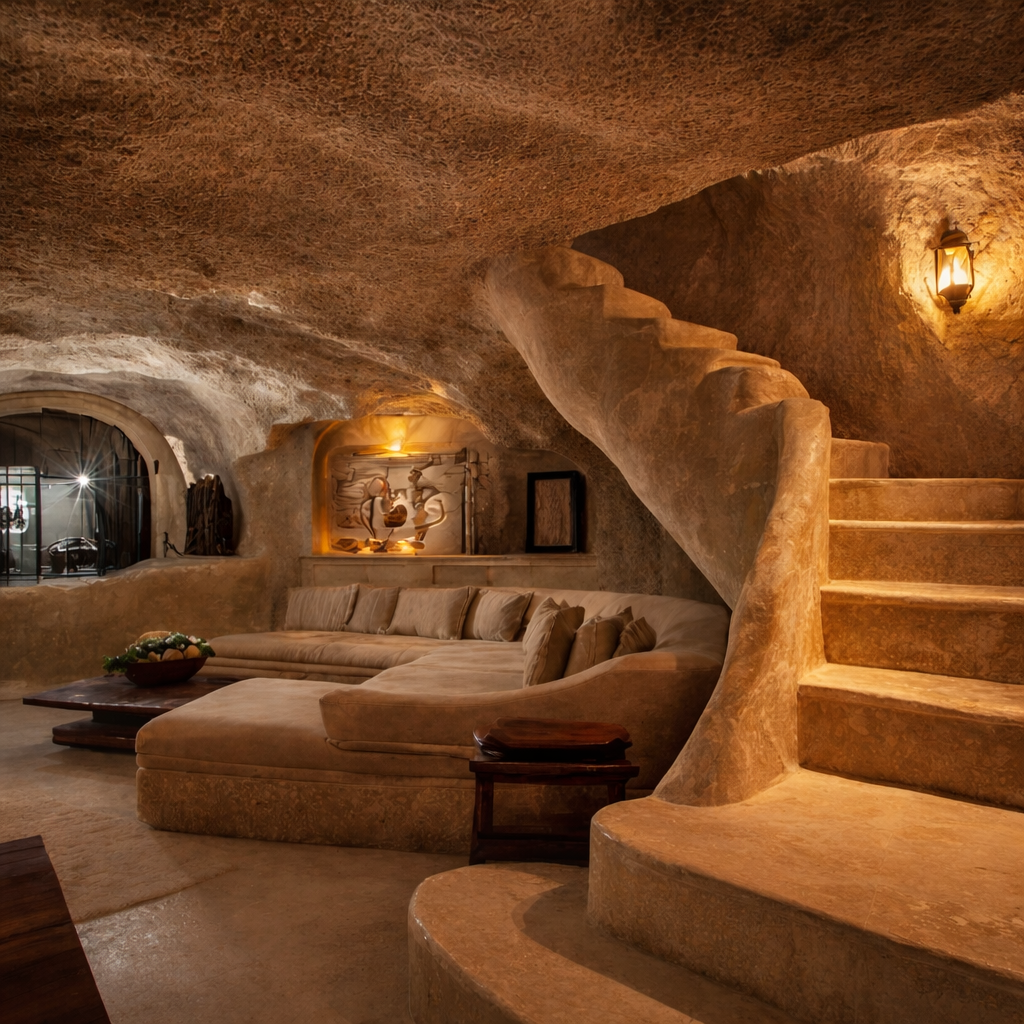
Design is paramount. These properties are now built to architectural standards that rival luxury ski chalets, penthouses, or spa retreats—complete with temperature-controlled wine cellars, indoor aquaponic gardens, wellness suites, and private theaters—yet are fortified with military-grade systems and infrastructure. Interior atmospheres are curated by top-tier designers, favoring calming palettes, biophilic elements, and smart-home automation. The goal is seamless livability, rather than survivalist austerity.
Discrete Locations, Discreet Clients
Most of these bunkers are located far from population centers—often embedded deep beneath private ranch lands, alpine forests, or decommissioned missile silos—ensuring both privacy and perimeter control. Yet discretion remains the greatest currency. Transactions are typically handled through non-disclosure agreements and specialized family offices, often without public record. The clientele includes tech founders, financiers, political dynasties, and international royalty.
Industry analysts note that many of these buyers are not doomsday believers per se, but pragmatists hedging their personal security against systemic fragility. Ownership of a luxury bunker is viewed similarly to acquiring a Gulfstream jet or a passport in a politically neutral jurisdiction: a sophisticated safeguard, not merely a fear-based impulse.
Technology and Self-Sufficiency
At the core of these compounds is autonomy. State-of-the-art energy systems—including solar arrays, geothermal loops, and battery storage—allow weeks or months of self-sufficiency. Water purification, air filtration graded for nuclear, biological, and chemical scenarios, and hydroponic food production are integrated by specialized engineering firms with backgrounds in defense and science sectors. These are not base shelters, but ecosystems.
Artificial intelligence is increasingly embedded in their operational design. Everything from biometric access control to predictive behavioral monitoring ensures occupants’ security without external dependence.
Connectivity is layered: Starlink and ground-based redundancies maintain digital access unless fully intentional off-grid switching is required.
The Paradox of Secure Luxury
Beyond function, these residences pose a cultural paradox—luxury defined by withdrawal, escape, and silence. Where traditional luxury once equated to global mobility and overexposure, today’s elite are investing in isolationist refinement. High walls, subterranean corridors, and botanical atriums may feel counterintuitive to leisure, yet they reflect a philosophical shift: true exclusivity now lies in inaccessibility, not opulence alone.
This dynamic is shaping the broader luxury real estate market. Developers are beginning to incorporate layered security design even in conventional trophy homes.
From armored safe rooms to EMP-hardened infrastructure, elite buyers are seeking subtle features that offer peace of mind alongside panoramic views and art collections.
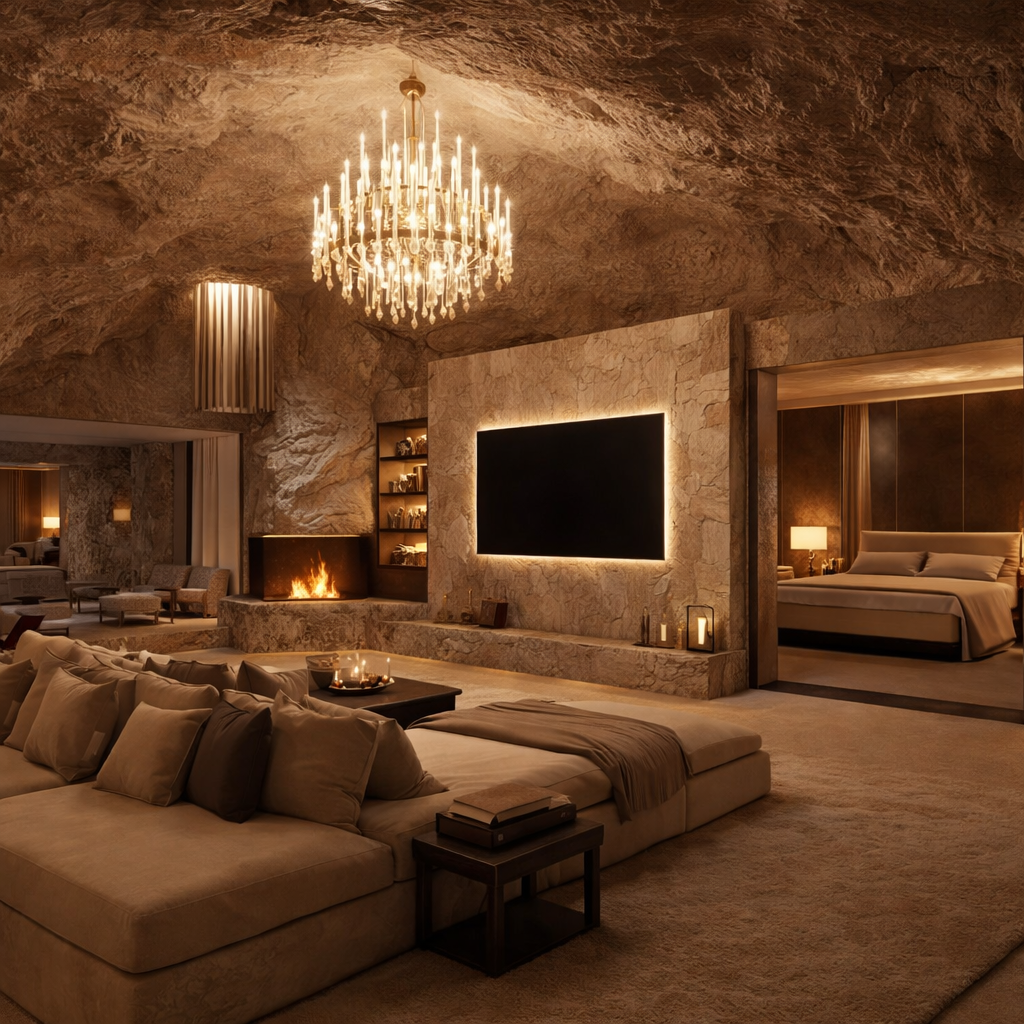
The bunker, in this context, is an extension of architectural privacy—less about impending doom, and more about control.
Asset Class or Psychological Insurance?
Whether seen as strategic real estate, legacy investment, or existential insurance, luxury bunkers are finding a foothold in UHNW asset portfolios. A recent shift in global sentiment—fueled by pandemic disruption, market instability, and cyber dependency—has rendered contingency planning a marker of affluence. For some families, these compounds are legacy estates designed to house future generations. For others, they are discreet insurances, activated only if global volatility crosses a perceived threshold.
Bespoke consultancy groups now manage everything from infrastructure vetting to psychological environment design, tailoring layouts to client mindset and lifestyle. One consultant noted that clients often request environments that emulate their favorite holiday homes—perpetuating ease regardless of external upheaval.
In this emerging category, asset appreciation is less relevant than sovereign independence. A secure, aesthetic sanctuary is priceless precisely because it remains unavailable to all but a select few.
In a world where volatility increasingly defines the zeitgeist, luxury has begun to mean something quieter, smarter, more essential. Ultra-luxury bunkers are not merely a reflection of fear—they are a statement about where stability and identity intersect for the global elite.