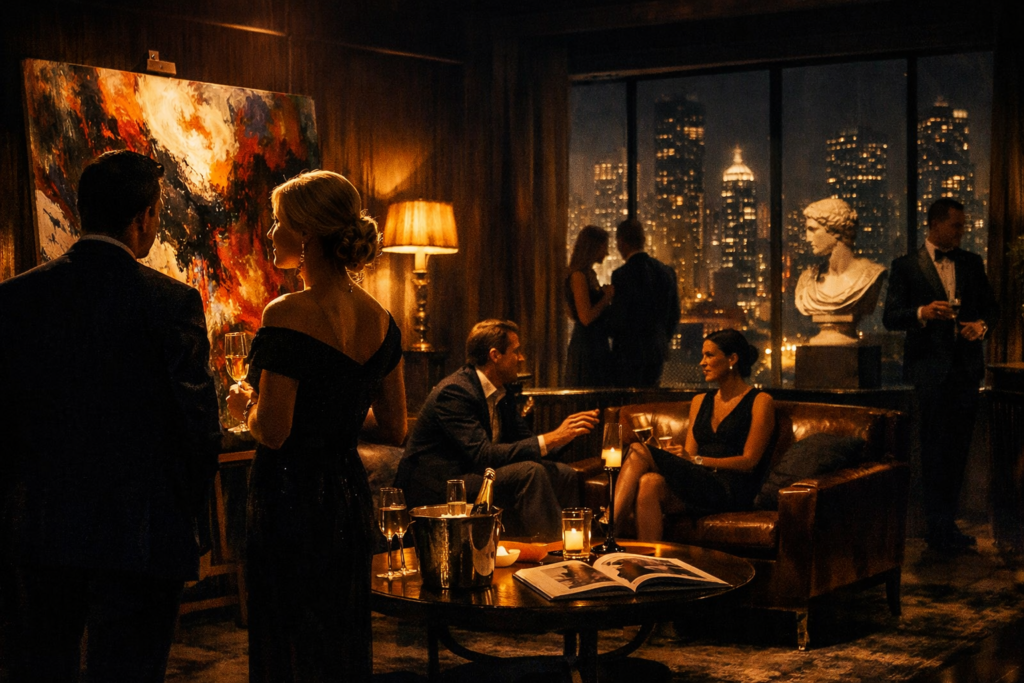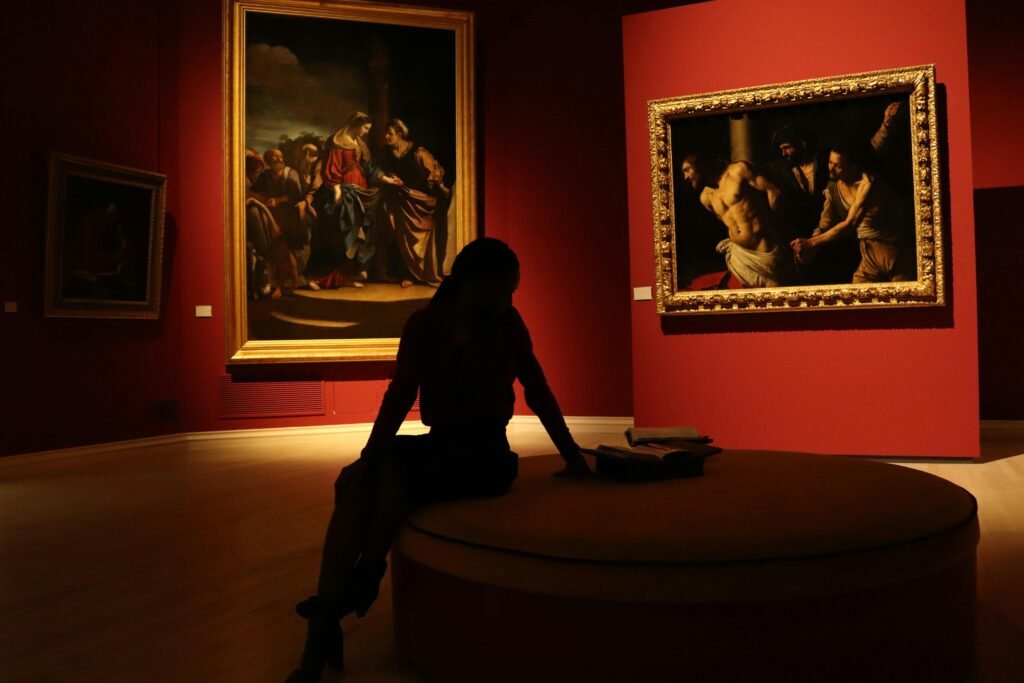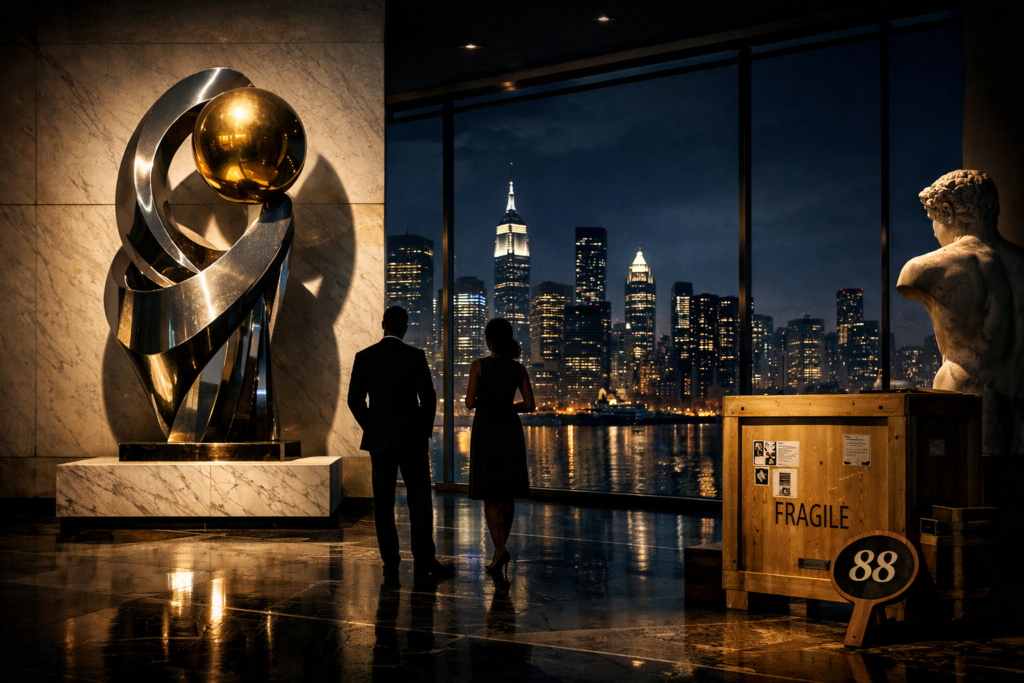
In recent years, private art foundations have emerged as quiet but potent players in the global art market. Often backed by high-net-worth collectors and families, these institutions operate beyond traditional commercial galleries and public museums, leveraging both influence and capital to redefine the dynamics of cultural patronage. Their power lies not only in acquisition but in shaping narratives, markets, and curatorial direction on a global scale.
The Rise of the Private Art Foundation
The early 21st century bore witness to a global renaissance in private cultural institutions. As private wealth expanded—particularly in the United States, Europe, and increasingly Asia—the establishment of private art foundations became a preferred vehicle for legacy building and cultural stewardship. What distinguishes them is a dual role: custodians of significant personal collections and curatorial entities with their own scholarly and public ambitions.
This phenomenon is not new, but its recent scale and influence are unprecedented. Industry observers note a shift from passive collecting toward institutional engagement. Iconic examples such as the Fondation Louis Vuitton in Paris, the Rubell Museum in Miami, and the Long Museum in Shanghai exemplify how collectors are translating personal passion into public-facing platforms with curatorial autonomy that rivals major art museums.
Market Influence and Curatorial Power
Private foundations have become critical in setting the tone for contemporary collecting. By supporting emerging artists, commissioning new work, and hosting exhibitions that receive international attention, these institutions indirectly shape market demand and valuation patterns. Their activities influence not just taste but also artist longevity, turning overlooked creators into blue-chip names in a single acquisition or retrospective.
According to recent market reports, institutional validation—whether from public museum or private foundation—is increasingly viewed as a key factor in art valuation. Private foundations, with fewer administrative hurdles and often more daring curatorial choices, are gaining ground as premier arbiters of artistic legitimacy. This influence is especially notable in regions where state support for the arts is limited or waning.
Geographies of Cultural Power
The geographic distribution of private art foundations speaks to a rebalancing of cultural capital. While Western Europe and the United States continue to host many of the world’s best-known private institutions, significant new entrants from China, the Gulf States, and Latin America are shifting the axis of artistic prestige.
In particular, foundations in Doha, Beijing, and São Paulo have started commissioning major exhibitions, acquiring Western and regional works at scale, and forging new dialogues between local and global artistic practices. This reconfiguration challenges the long-standing dominance of Euro-American institutions and suggests a more pluralistic future for global cultural hierarchies.
Philanthropy, Patronage, and Legacy
Beyond market dynamics, private art foundations are vehicles for legacy and identity. For families of significant means, they offer a perpetual platform for influence that outlives generational change. The foundation model allows for continuity, tax efficiency, and flexibility—especially when compared to donating artworks or endowments to public museums under restrictive terms.
Foundations also offer a means of refining how art is experienced. Unlike the often broad mandates of public museums, private institutions can craft focused narratives around specific movements, artists, or historical periods. The result is often more intimate, nuanced, and reflective of a singular curatorial voice—tempered by collectors’ passions and informed by institutional expertise.
Challenges of Transparency and Access
While the rise of private art foundations marks a significant enrichment of global culture, it also raises critical questions about access, transparency, and influence. These institutions, often insulated from public accountability, operate with curatorial independence that can both invigorate and destabilize ecosystems around them.
Critics point to potential opacity in provenance, limited public hours, or overly narrow curatorial vision as risks. Others note that the blending of philanthropy with brand building—especially when tied to luxury empires or political interests—requires careful ethical navigation. Still, for many regions, private foundations fill cultural voids left by underfunded public museums and shifting government priorities.
Private Foundations and the Future of Collecting
As art collecting becomes ever more institutionalized, the line between collector and custodian continues to blur. Private art foundations are no longer mere vanity projects—they are the cultural infrastructure behind many of today’s most influential exhibitions, acquisitions, and scholarly innovations.
Their rising stature suggests a lasting redefinition of modern patronage. In a global landscape increasingly marked by fluid political borders and converging cultural dialogues, these foundations may well become the enduring stewards of 21st-century artistic vision. Their permanence, flexibility, and independence position them as vital actors in the art world’s evolving architecture.
The growth of private art foundations signals more than wealth—it reflects a profound shift in how culture is preserved, curated, and projected. As their visibility increases, so too will their stakes in shaping the institutional future of global art.