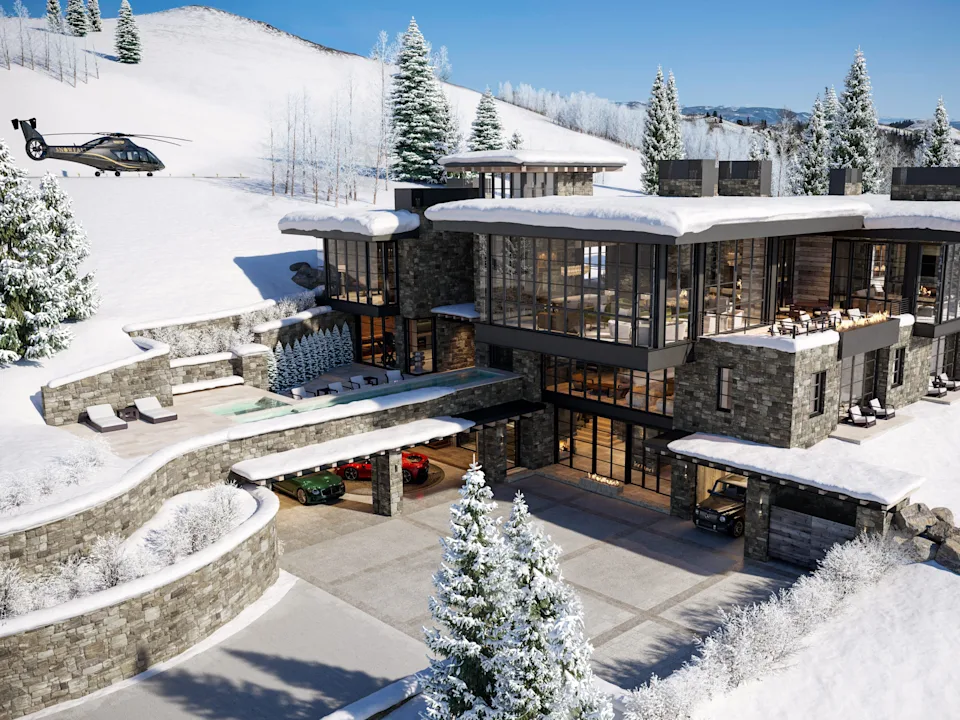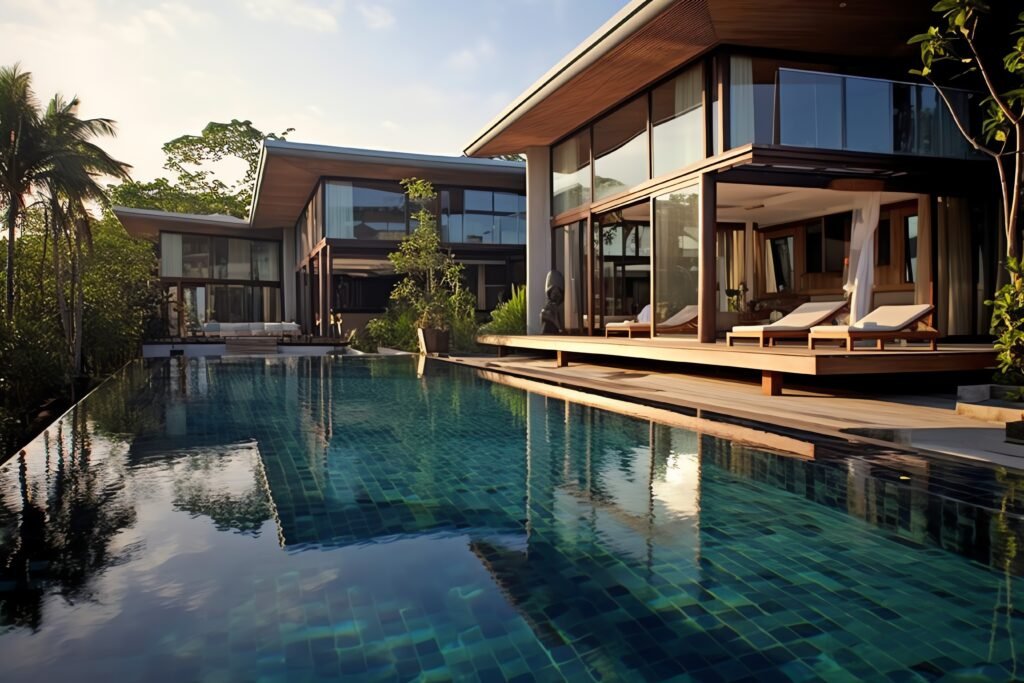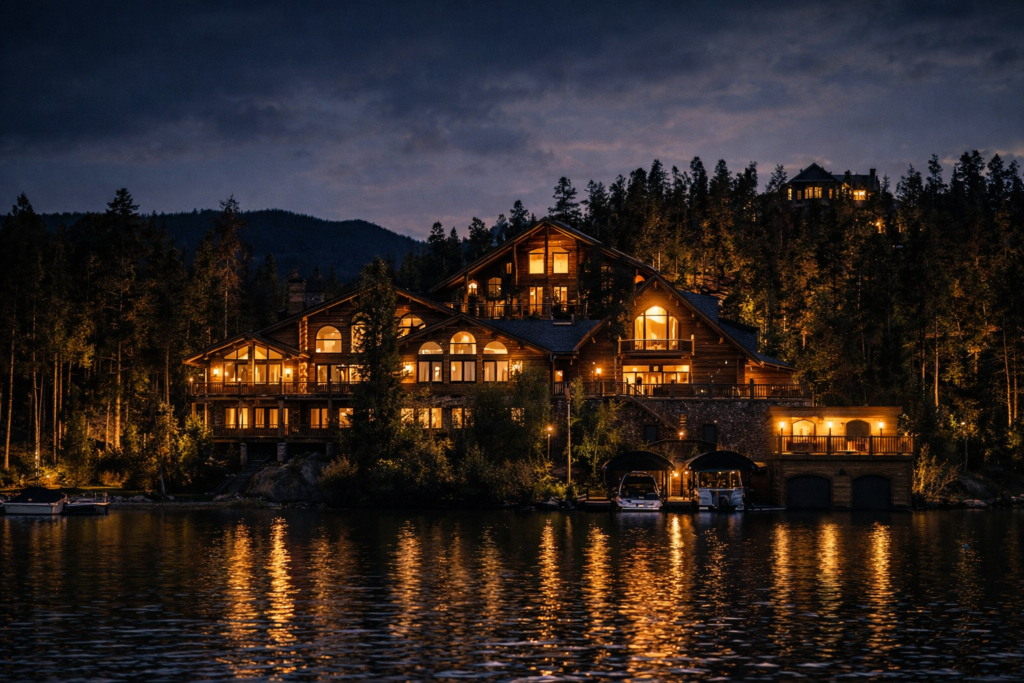
Once a niche sector limited to a handful of trophy properties, branded residences have entered a period of unprecedented maturity. Marrying five-star hospitality with curated real estate, these developments now sit at the heart of the luxury property market, seamlessly bridging lifestyle and investment. According to recent market observers, the global inventory of branded residences has more than doubled over the last decade, and demand remains largely undeterred by broader real estate volatility.
The Rise of Lifestyle Real Estate
Branded residences embody a shift in what ultra-high-net-worth individuals seek in property today: not simply a home, but a comprehensive lifestyle. Originating with hospitality giants such as Ritz-Carlton and Four Seasons, these residences offer owners the advantages of world-class service, security, and design—often set within some of the world’s most exclusive destinations.
This synthesis of brand prestige and residential privacy appeals to global buyers seeking both consistency and discretion. Whether perched on the Côte d’Azur, overlooking Central Park, or cradled within the desert light of Dubai, these homes are designed to deliver an elevated—and immediately recognisable—living experience.
Demand Beyond Destination
The DNA of branded residences extends beyond geographic desirability. For cosmopolitan owners, the promise of luxury is increasingly intertwined with readiness—meaning seamless property management, rental optionality, and full-service design. Managed by established hospitality names, these properties assure buyers of preservation in value and continuity in experience, regardless of location.
Affluent investors from North America, Europe, the Middle East, and Asia are now treating branded homes as anchors in their global portfolios. Market reports indicate that international buyers represent a significant share of demand in developments from Bangkok to Miami, drawn by scalable creature comforts and brand assurances.
New Players, Evolving Dynamics
While traditional hotel brands continue to drive the segment, a surge of fashion houses, automakers, and even wellness brands are expanding the definition of what a branded residence can be. Armani, Porsche, and Nobu are now as visible in the skylines of global cities as they are on runways or roads. Each brings a distinct aesthetic and lifestyle ethos to their developments—from Italian minimalism to automotive futurism.
These diversified entries signal a competitive turn in the industry. Rather than simply attaching a name, brands are curating entire experiences: tailored amenities, interior design collaborations, health-centric programming, and culinary pairings. This evolution sets a new benchmark for experiential living, where design, service, and identity converge with capital sensibility.
The Investment Case
Beyond lifestyle, branded residences increasingly attract attention as serious investment assets. With limited units, high standards in maintenance, and the strength of a global brand behind them, these properties often command pricing premiums over comparable non-branded counterparts. Industry analysts note that the premium can range between 25% and 35%, depending on the development and market.
However, it is the long-term value retention and liquidity appeal that drives sophisticated investor interest. In key markets such as London, New York, and Dubai, developers report consistent resale demand, supported by rental yield potential and capital protection that exceeds traditional luxury real estate benchmarks.
Challenges and Market Nuance
Still, the rise of branded residences is not without its complexities. Sustainability is emerging as a key concern, particularly as many developments must reconcile luxury expectations with a more conscious environmental footprint. Additionally, branding can risk diluting exclusivity if overleveraged in saturated urban zones.
Quality divergence remains an issue. Not all branded residences are created equal, and investor discernment between original design-led collaborations and superficial co-branding remains critical. As the market expands, buyers are advised to assess management structure, ownership models, and brand consistency rigorously before acquisition.
Future Outlook: Experience as Asset Class
As the concept of home continues to evolve toward curated, service-oriented environments, branded residences are poised to remain central to the luxury real estate conversation. Whether in emerging lifestyle corridors of Southeast Asia or legacy markets in Europe and the US, the demand for branded experiences within private living spaces is deepening.
This is not merely a passing trend—it reflects a broader shift toward experiential ownership, where daily life is framed by intentional design, security, and connection to a greater hospitality narrative. For a global elite seeking both legacy and liquidity, branded residences offer a property model that fulfills both personal desire and portfolio discipline.
Through the lens of architecture, service, and brand equity, these properties reshape not only where we live, but how luxury itself is increasingly defined. Less about location, more about a way of life—branded residences are quietly becoming the most compelling real estate solution of a confident new era.