In a world increasingly guided by algorithms and automation, a subtle yet unmistakable shift is emerging among discerning collectors: a renewed reverence for the intricacies of haute horlogerie. Far from being outpaced by smartwatches or overt innovation, classic watchmaking—steeped in mechanical purity and artisanal craftsmanship—is stepping back into the light with composed authority.
Resurgence of Mechanized Heritage
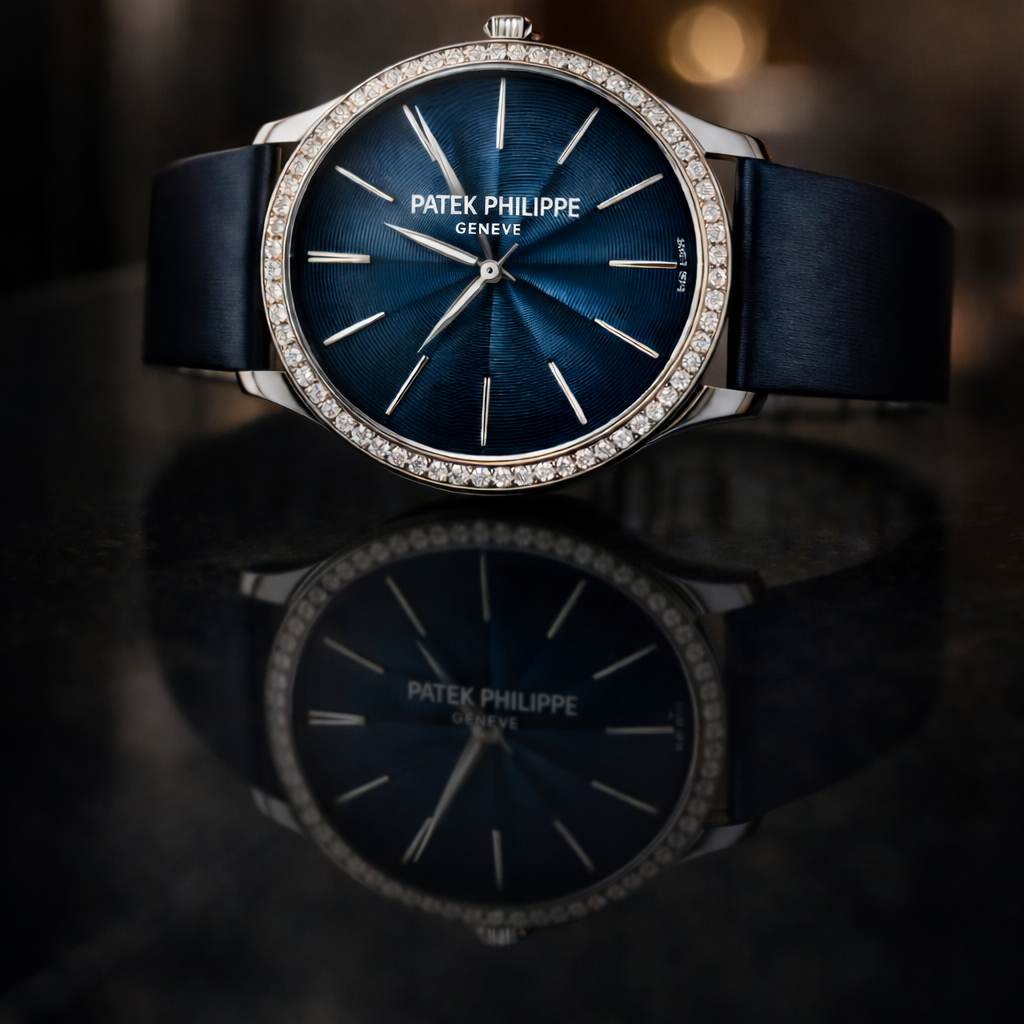
The renewed interest in traditional watchmaking is not a nostalgia-driven regression but rather a reassessment of value, skill, and legacy. As industry observers note, leading maisons have seen marked upticks in demand for models that celebrate bygone-era techniques: hand-polished bridges, guilloché dials, and tourbillon complications that resist all technological short-cuts.
This resurgence aligns with a broader luxury trend emphasizing provenance and permanence over ephemeral technology. According to recent reports from the Federation of the Swiss Watch Industry, mechanical watches, especially those in the haute horlogerie segment, are once again outpacing their quartz and connected counterparts in both revenue and prestige perception.
Collectors Driving a Return to Fundamentals
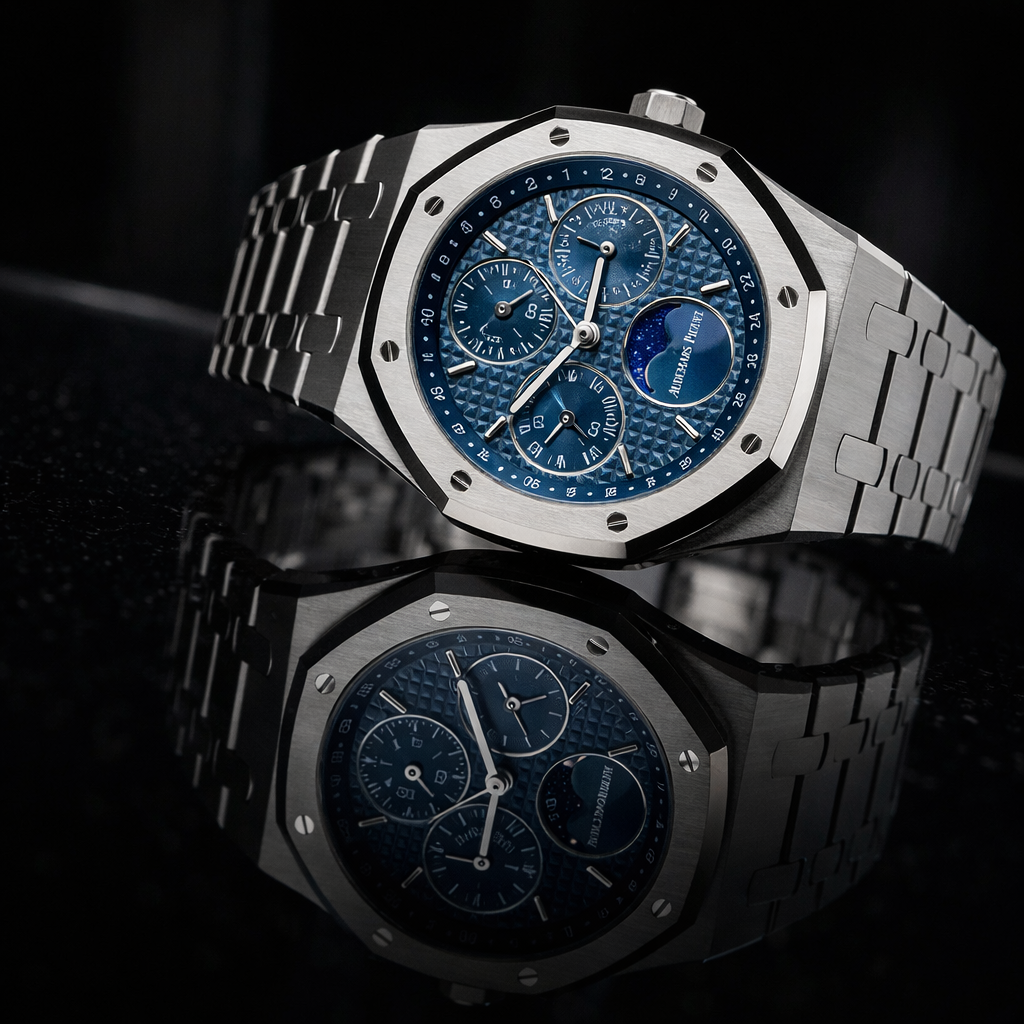
Among global collectors, there is a heightened appreciation for timepieces that honor foundational watchmaking disciplines. The enthusiasm is palpable at auctions from Geneva to Hong Kong, where heritage pieces from Patek Philippe, Vacheron Constantin, and Audemars Piguet continue to command notable premiums. Enthusiasts are increasingly less swayed by gadgetry and more drawn to purity of execution.
The appeal lies partly in mechanical permanence. A well-maintained perpetual calendar or minute repeater, carefully re-cased or maintained by expert ateliers, communicates a durable artistry rarely found in modern electronics. These pieces, by design, invite connoisseurship rather than quick consumption.
Manufactures Reasserting Their Legacy
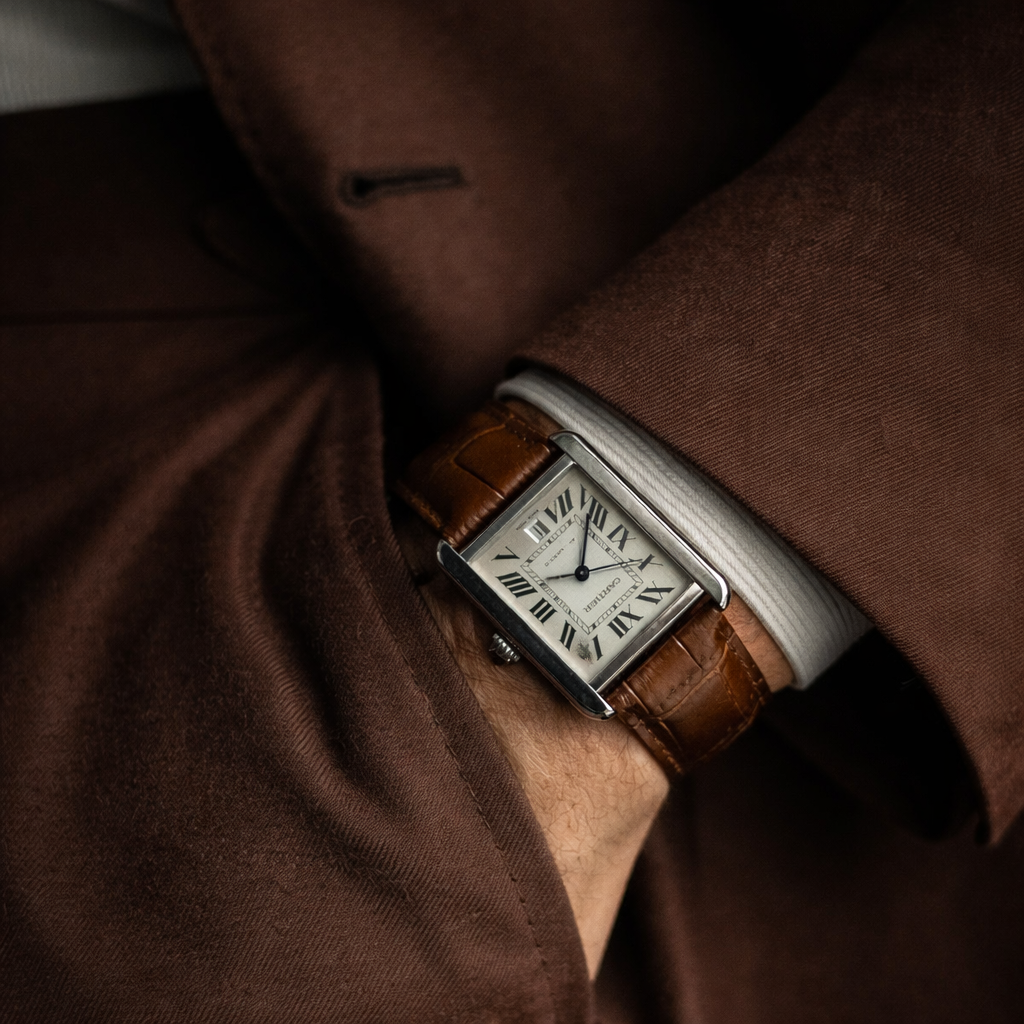
Leading watchmakers have taken decisive cues. A growing number are returning to archives—not merely to extract past designs but to reinterpret core philosophies. The Cartier Privé Collection, for instance, has been lauded for elevating historic models with modern refinement, while Parmigiani Fleurier’s revival of Toric lines has renewed appreciation for restrained elegance and movement complexity.
Even brands once known for high-concept experimentation are exercising new restraint. Richard Mille has recently introduced references that, while still technically intricate, showcase cleaner aesthetics and traditional craftsmanship elements—côtes de Genève finishes, beveled bridges, and understated dial configurations.
Insistence on the Hand-Touched
What distinguishes haute horlogerie in 2025 is its defiant patience. Each component—crafted, polished, assembled by hand—offers tactile contrast to sleek digital futures. Artisans often undergo years of training simply to perfect balance wheel regulation or escapement finishing. This level of human precision has become, paradoxically, more luxurious in an era of machine learning and AI design tools.
Market analysts suggest that this shift is as emotional as it is technical. Buyers are choosing to invest in timepieces where time itself—hours, days, even decades—is embedded in the making. The emotional yield of observing a hand-finished movement through sapphire casebacks has never felt more relevant.
The Quiet Power of Timeless Simplicity
Several maisons are also leaning into subdued elegance. Slimline dress watches, once overshadowed by oversized sports references, are regaining prominence. The Jaeger-LeCoultre Master Ultra Thin series and A. Lange & Söhne’s Saxonia range offer compelling examples of how modest dimensions paired with exceptional caliber design are influencing a tranquil shift in aesthetic dominance.
Within the secondary market, such refined simplicity is also translating into long-term desirability. Limited editions emphasizing mechanical integrity over novelty are, according to leading dealers, achieving steadier valuation trajectories than showpiece heavy complications or digital hybrids.
Outlook: Heritage as the Future
As haute horlogerie circles back to its roots, the real innovation lies not in radical reinvention but in disciplined mastery. With younger collectors now entering the market already aware of movement architecture, finishing traditions, and maison histories, brands will likely continue prioritizing integrity over immediacy.
Indeed, longevity—both mechanical and philosophical—has become the true currency of desirability. The return of classic haute horlogerie is not a revival but a realignment: a quiet assertion that time, well made, endures beyond trend.