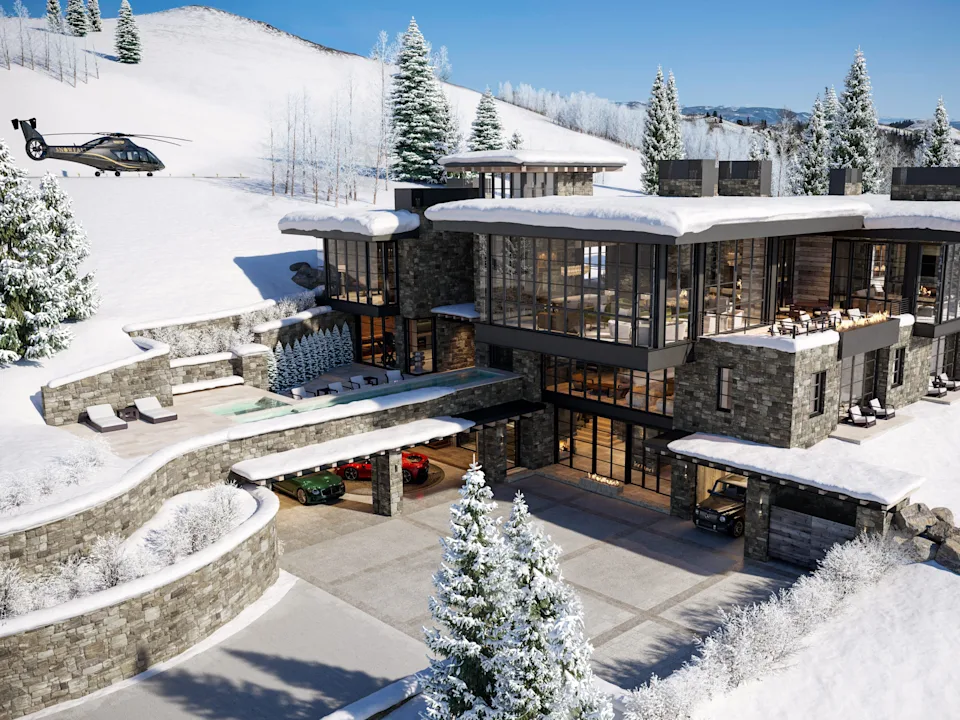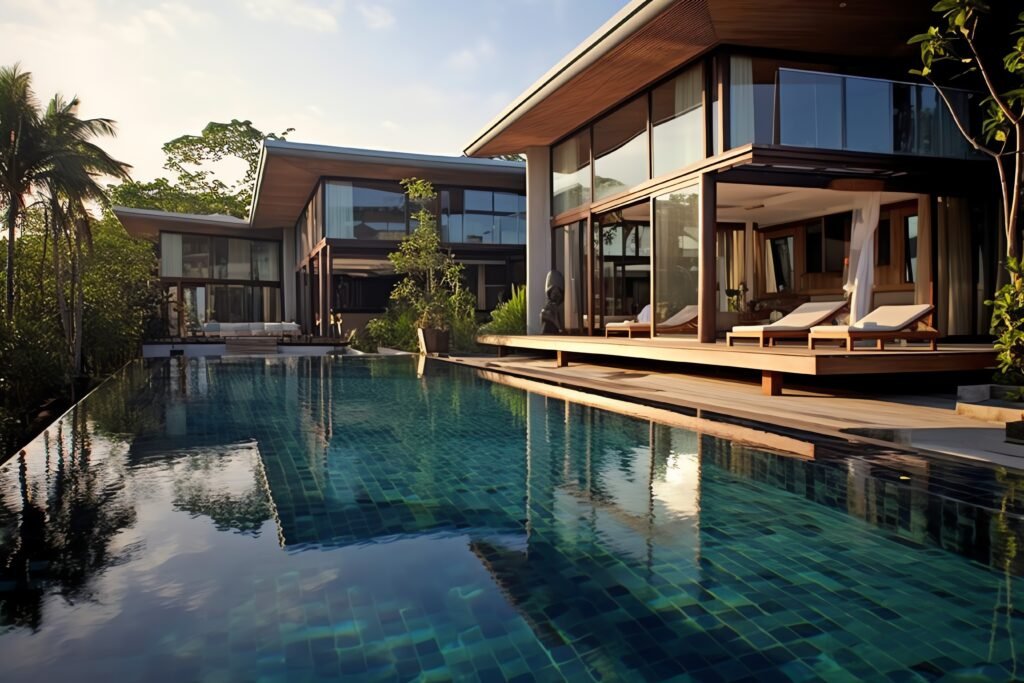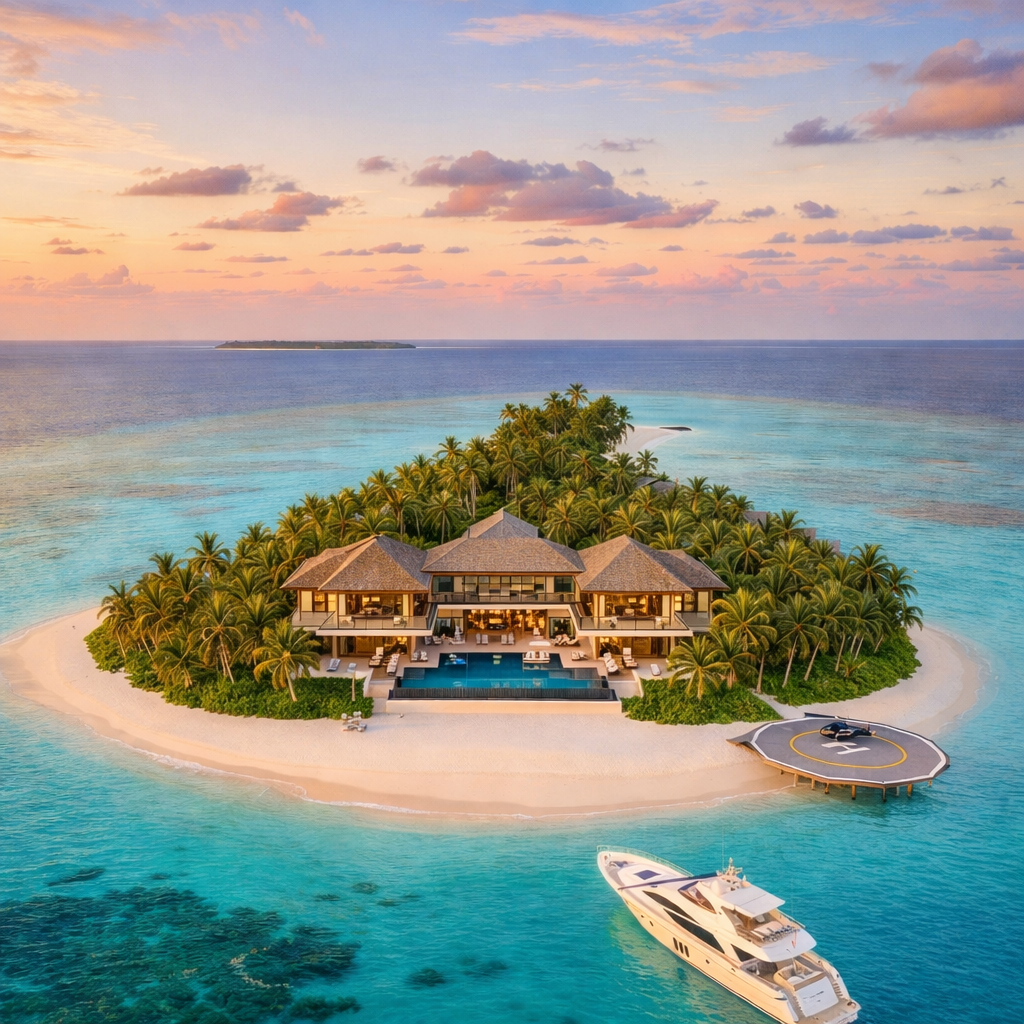
In a world recalibrating privacy and permanence, private island real estate is emerging as one of the last bastions of absolute exclusivity. For ultra-high-net-worth individuals, the appeal lies not in ostentation, but in autonomy—sovereignty over time, space, and experience. A private island is no longer a symbol of escapism but a realization of control beyond conventional borders.
The Allure of Autonomy
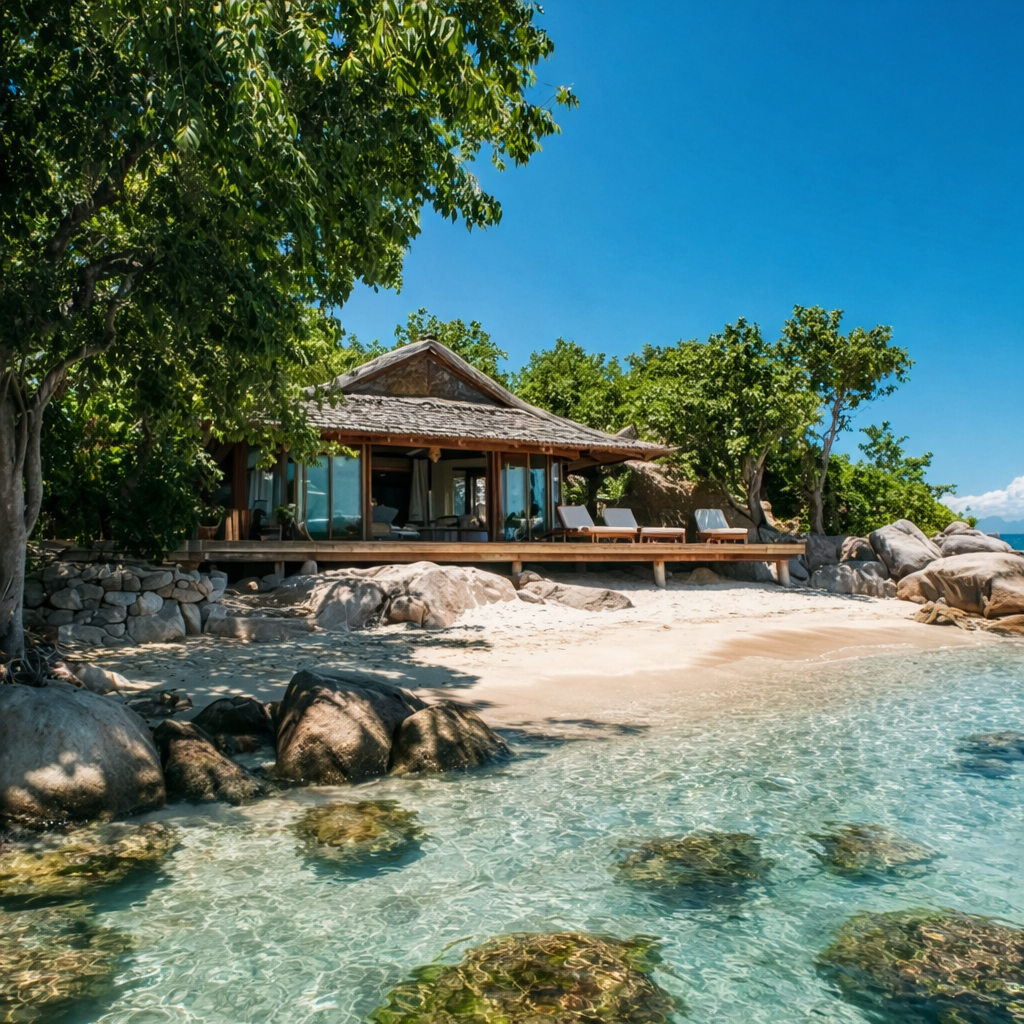
Few assets offer the complete disconnection and dominion afforded by a private island. Unlike gated enclaves or high-security urban properties, these estates are geographical sovereigns. Surrounded by water, inaccessible to the public, they offer a level of privacy rarely matched in traditional luxury markets.
Market observers suggest that post-pandemic wealth migration patterns have accentuated demand for isolated ownership. Islands in the Caribbean, South Pacific, and West Indies have seen renewed interest—not just as vacation homes, but as legacy holdings. The ability to pair residential real estate with natural resources and sovereign-like control creates a compound asset of emotional and investment value.
Valuation Beneath the Surface
Despite their cinematic appeal, private islands remain an opaque segment of luxury real estate. Pricing is dictated less by square footage and more by provenance, accessibility, infrastructure, and legal protections. Many transactions occur off-market, brokered discreetly between family offices or multigenerational trusts.
Industry analysts note that prime islands with modern infrastructure—water purification, fiber optics, private airstrips—command a significant valuation premium. These systems transform remote plots into fully operational high-end residences, reducing logistical friction for long-term habitation or hospitality investment.
Geopolitical Filters and Selective Accessibility
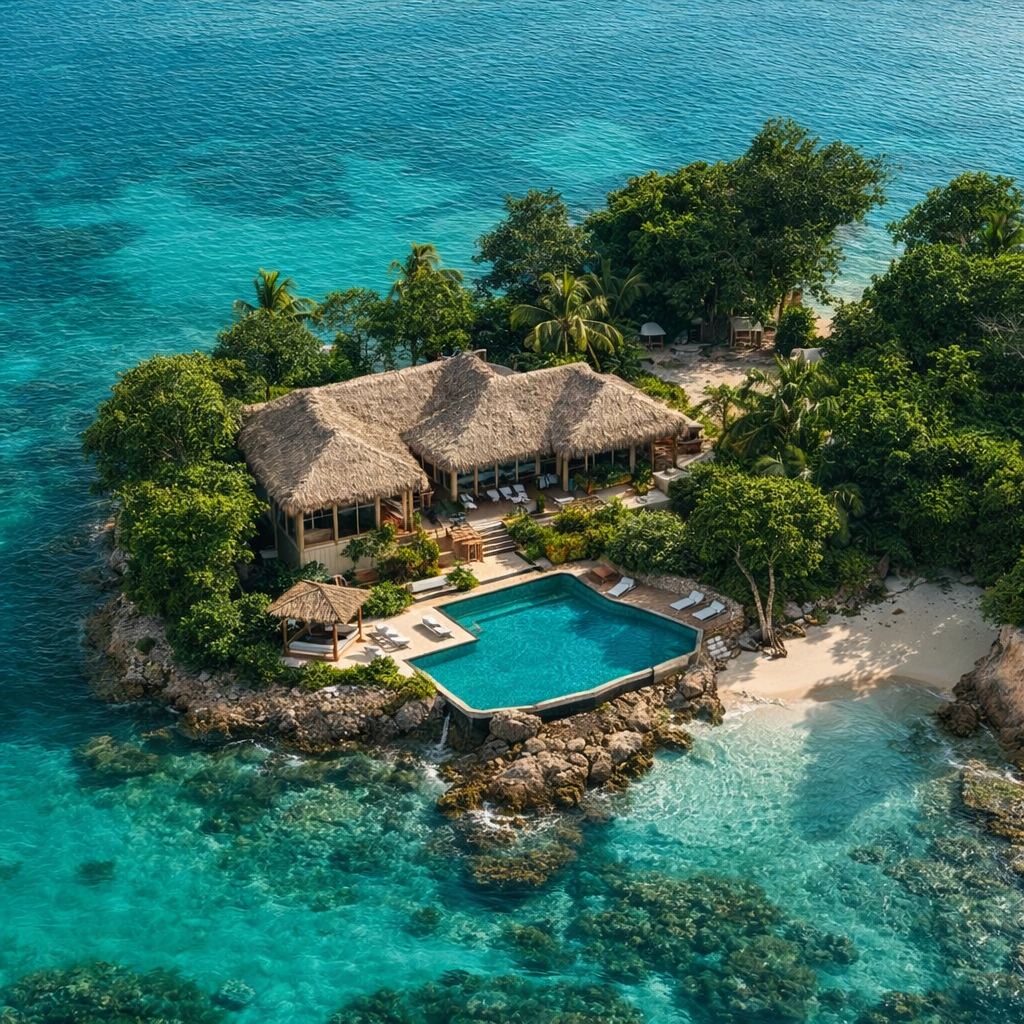
Location remains central to desirability, but increasingly, geopolitical stability and legal clarity are non-negotiable. Caribbean jurisdictions familiar with high-net-worth residency and property law offer a smoother acquisition pathway. Buyers now prioritize not only scenic value but also secure land title, clear environmental compliance, and reliable governance.
Conversely, Pacific archipelagos and Southeast Asian nations, while visually arresting, often pose more complex ownership structures. In certain cases, only leasehold options are available, tailored for non-citizens under sovereign regulation. Legal advisors and international real estate specialists play a pivotal role in navigating these variables discreetly.
From Bare Land to Branded Enclaves
The evolving model of private island ownership is slowly aligning with branded real estate. Ultra-luxury hospitality groups are now offering co-branded private islands or fractional ownership tied to high-end resorts. Aman, Four Seasons Private Retreats, and Rosewood Residences have all responded to this niche, crafting experiences that marry personal privacy with branded service legacy.
For those desiring full sovereignty, however, turnkey development remains the preferred investment. Procurement firms specialize in building comprehensive luxury compounds that include eco-sensitive dwellings, heliports, fortified staff quarters, and modular infrastructure. Some buyers seek architectural provenance, commissioning starchitects for bespoke tropical modernist designs, merging sustainability with timeless minimalism.
The Second-Tier Market and Legacy Buyers
As more first-tier islands consolidate under permanent ownership, a second wave of acquisition is surfacing. Investors are repurposing historical or underutilized islands into art foundations, scientific sanctuaries, or discreet satellite offices for philanthropic work. This shift reflects a deeper cultural realignment—where privacy is reconfigured not only as escape, but stewardship.
Family offices increasingly view these islands as long-term anchors across generations, resistant to urban volatility and political uncertainty. In this way, a private island becomes more than residence or resort—it transforms into a narrative asset, grounding lineage and legacy under the clarity of sky and sea.
Infrastructure as Investment Blueprint
While many perceive isolation as risk, a growing number of buyers treat it as opportunity. Self-contained energy systems, marine permaculture, desalination technologies—all are positioned as pre-emptive resilience investments. An island with sophisticated utilities is not only livable but defensible, a private world resilient amid geopolitical unpredictability.
Informed buyers now consult with global risk firms and environmental engineers before acquisition. The due diligence process has evolved beyond luxury inspections—it is now a blueprint for operational autonomy. This is infrastructure-guided acquisition, shaped by the future rather than the fantasy.
Curation Over Exposure
Unlike trophy penthouses or art collections, private islands are rarely publicized. The clientele and market aesthetic deliberately oppose overexposure. Contemporary owners lean toward minimal online footprint, architecturally muted builds, and staff trained in elegant discretion. Recorded sales rarely surface publicly, and when they do, details are intentionally sparse.
This curation has become a hallmark of the category: less is known, more is presumed. It is an asset class where presence is measured not in visibility but in silence—in the privacy of ownership, in the stillness of place, and in the disinterest in public affirmation.
As the luxury landscape turns inward, private islands stand at the intersection of permanence, privacy, and preparedness. The market, however quiet, is confident and deliberate. Ownership here is not a symbol of excess. It is an articulation of elegance, at its most elemental.