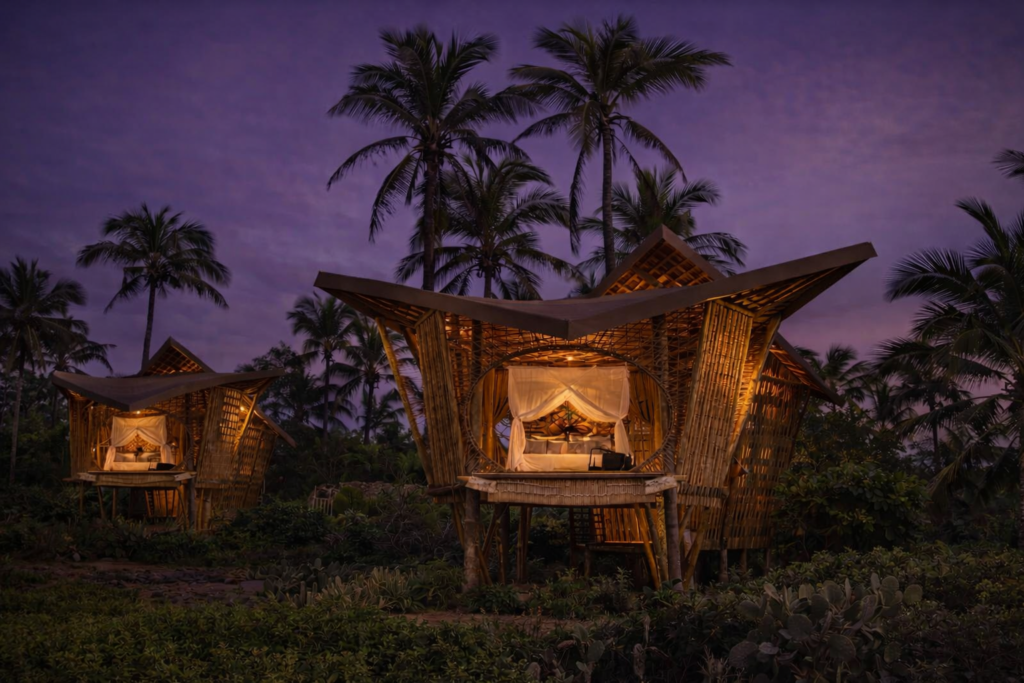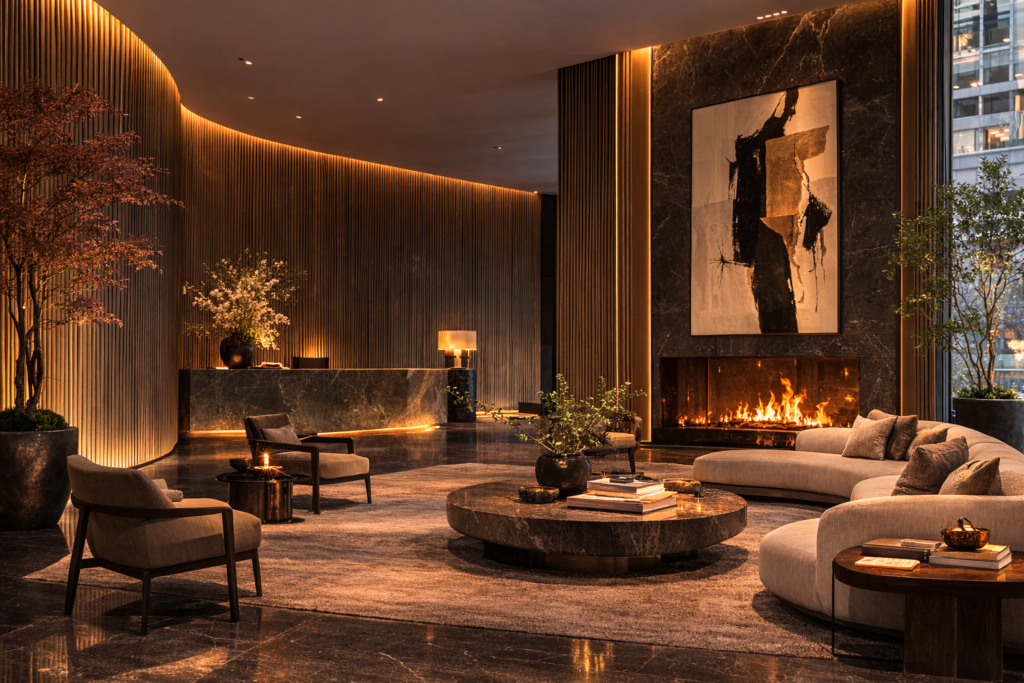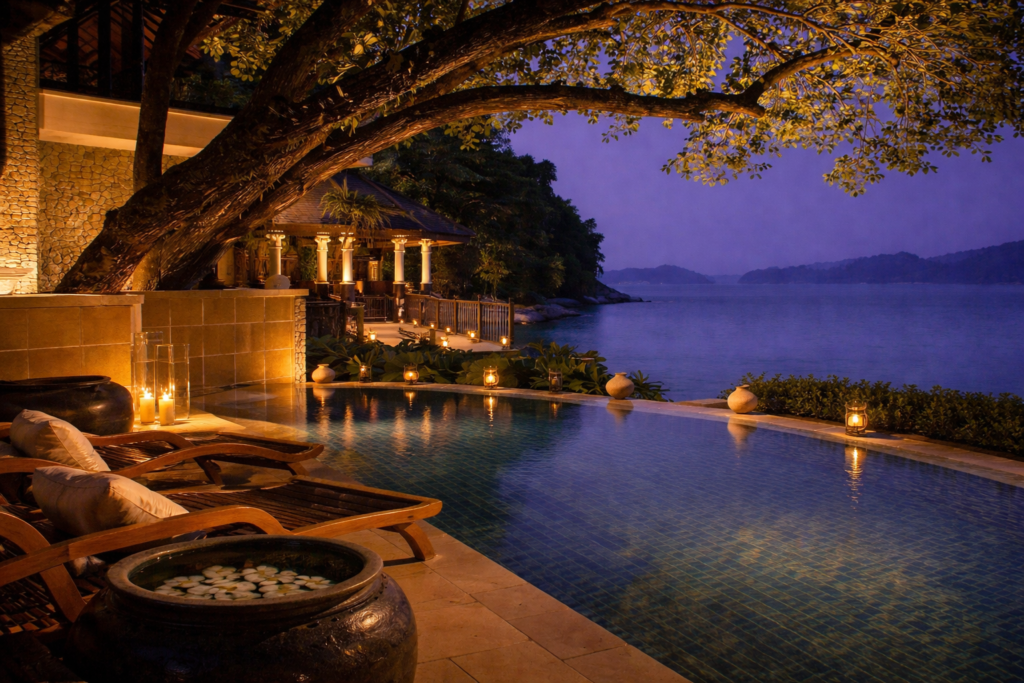
Ultra-luxury wellness tourism has emerged as one of the most defining travel phenomena of this decade. No longer confined to massages or detox retreats, today’s elite are pursuing deeply personalized sanctuaries where longevity, performance, and exclusive access converge. From private medical-grade wellness residencies in Europe to secluded mindfulness estates in Asia, wellness is no longer a segment—it is the destination itself.
The Evolution of Wellness into Luxury Status
Wellness tourism is undergoing a fundamental shift in purpose and perception. As global elites reevaluate the meaning of health, longevity, and vitality, wellness experiences have evolved from supplementary spa moments into fully immersive, identity-defining journeys. Market observers suggest that ultra-high-net-worth individuals (UHNWIs) now view wellness as both a personal investment and a display of discernment.
According to recent travel trend intelligence, this category is growing substantially among second- and third-time luxury travelers—sophisticated individuals who seek more than leisure or scenery. They desire transformation supported by science, nature, luxury, and discretion.
Leading Destinations Defining the Movement
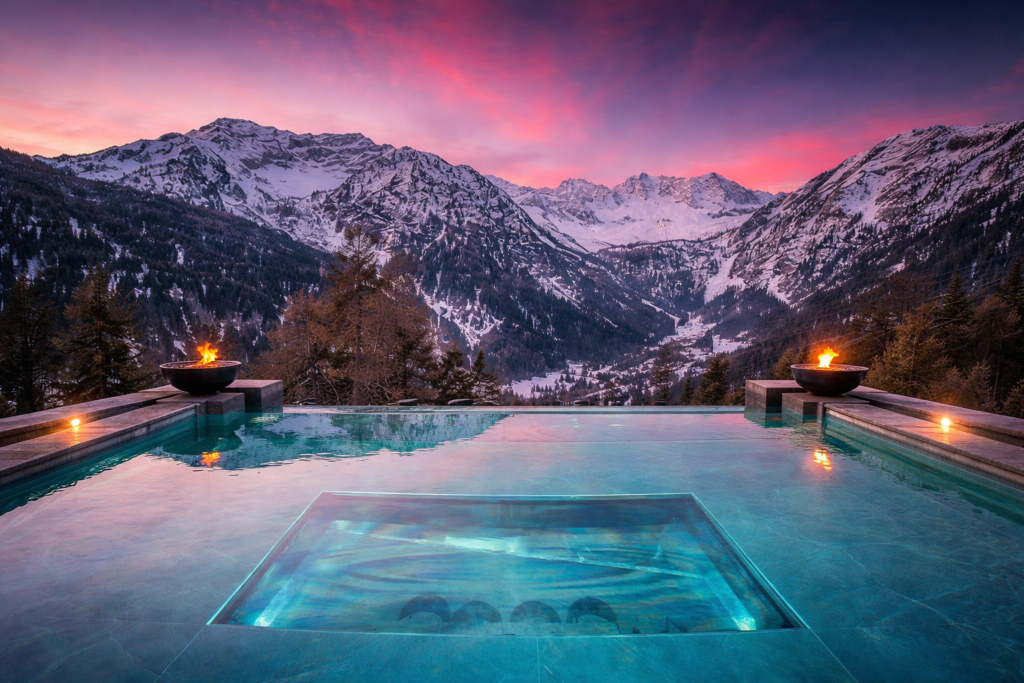
From the Swiss Alps to the Balinese coast, the geography of wellness has shifted. Institutions such as Clinique La Prairie in Montreux and SHA Wellness Clinic in Spain offer comprehensive programs integrating medical diagnostics, cellular regeneration, and holistic therapies in elegant, controlled environments. In Asia, Aman’s wellness sanctuaries weave traditional healing philosophies with architectural serenity, appealing to seekers of both authenticity and indulgence.
Meanwhile, private wellness estates in the Maldives, Bhutan, and Costa Rica are curating nature-centric, ultra-personalized stays—many designed in collaboration with integrative health experts, neuroscientists, and Michelin-level nutritionists. High-touch service, biometric monitoring, and exclusive practitioner networks combine to deliver results often aligned with longevity science.
Longevity and Bio-Optimization as Luxury Ideals
Longevity, once the domain of clinical settings, has become a pursuit of prestige. Biotechnological enhancements, bespoke medical assessments, and AI-powered diagnostics are now embedded into wellness offerings at the top-tier level. Properties such as Six Senses and Waldhotel Health & Medical Excellence are investing in longevity centres which include epigenetic evaluations, stem cell consultations, and tailored metabolic recalibrations.
The evolution aligns with a broader cultural pivot: youthfulness is no longer aesthetic only—it is cellular, deliberate, and data-driven. Market analysts point to increasing collaboration between hospitality groups and biotech firms, forming a new category of integrated luxury health architecture. For UHNW audiences, the ability to extend quality of life is becoming as desirable as rare art or real estate.
Privacy, Personalization, and Performance
Unlike mass wellness trends, ultra-luxury engagements are rooted in seclusion, customization, and performance metrics. Properties now offer entire villas, islands, or wings to ensure absolute discretion. Guests are no longer anonymous travelers but confidential patients or valued co-creators in their own renewal process. Every element—from sleep-light therapy and circadian menu planning to neurofeedback and emotional coaching—is customized not just for health, but for life optimization.
Brands like Sensei, owned by Larry Ellison, and Chenot Palace Weggis exemplify this convergence. Their emphasis: precision data collection, AI-honed adaptive regimens, and measurable outcomes over mere indulgence. For the modern traveler, wellness must now be quantified to justify its promise.
Designing Time for Intentional Transformation
Time, long protected as the most precious currency in luxury, is being reframed through the lens of intentional renewal. For top-tier clients, a three-week intermission in the Dolomites or a month at a Peruvian altitude retreat is no longer perceived as escape—it is strategic intervention. The rise of regenerative travel aligns wellness with time stewardship, positioning extended stays as investments into high-performance living.
For this clientele, itinerary and purpose coalesce. The journey must integrate design, discipline, and discretion. Jet-lag mitigation protocols, high-yield altitude training, and deep spiritual immersions are often supported by concierge physicians and 24/7 wellness directors embedded into the experience. In this rarefied tier, travel becomes a long-form dialogue with the self—luxury as both mirror and guide.
The Business of Wellness As Comparative Advantage
Hospitality groups are increasingly recognizing wellness not as a standalone offer, but as strategic differentiation. Investment firms and private equity entities are acquiring shares in wellness ventures, identifying recurring revenue potential in bespoke health programming. Destination development now prioritizes wellness blueprinting from conception: from air quality to culinary Sourcing, wellness is reshaping how luxury is designed.
According to recent industry reports, next-decade growth in this sector is expected to be fueled by cross-disciplinary alliances between finance, healthcare, and hospitality. Think medical real estate portfolios, mobile diagnostic units, and subscription-based transformational journeys—delivered under the banner of prestige hospitality brands.
Affiliate partnerships are surfacing in high-value categories, including personalized supplements, wearable biometric monitors, and curated lifestyle products directly integrated into the guest journey. The result is a cohesive, monetizable ecosystem beyond the boundaries of the resort itself.
Outlook: The Era of Transformational Luxury
Ultra-luxury wellness tourism is no longer niche—it is the new vocabulary of elite travel. As the affluent seek meaning alongside materiality, the wellness landscape is bifurcating. On one side: commercial wellness, commodified and aspirational. On the other: cloistered enclaves of conscious rejuvenation, where the cost is not discussed and the value is existential.
The future lies in experiences that recalibrate more than the body—they restore clarity, identity, and direction. In this upper stratum, the luxury of wellness is measured not in volume or visibility, but in discretion, evidence, and lasting resonance.