In an era defined by access, exclusivity has become the most precious resource. As luxury travelers pursue rarefied experiences beyond the reach of the mainstream, a new standard has emerged: ultra-private retreats. These high-concept enclaves, often hidden in remote locales or embedded discreetly within iconic destinations, are reshaping the lexicon of hospitality for 2025 and beyond.
The Future of Discretion in Luxury Hospitality
Privacy has long been a cornerstone of high-end travel, but today’s UHNW individuals demand more than isolation. They seek environments that offer seclusion without sacrificing service, and personalization without visibility. This shift has catalyzed the expansion of ultra-private properties—villas, estates, and invitation-only resorts that cater to a clientele for whom anonymity is integral.
According to analysts following luxury travel trends in 2025, increased geopolitical volatility and digital surveillance have only amplified demand for discretion. Properties such as Amanpulo in the Philippines and North Island in the Seychelles now tailor their experiences through secured arrivals, no-press agreements, and encrypted concierge communication. Here, privacy is no longer a perk—it is the product.
Designing for the Invisible Guest
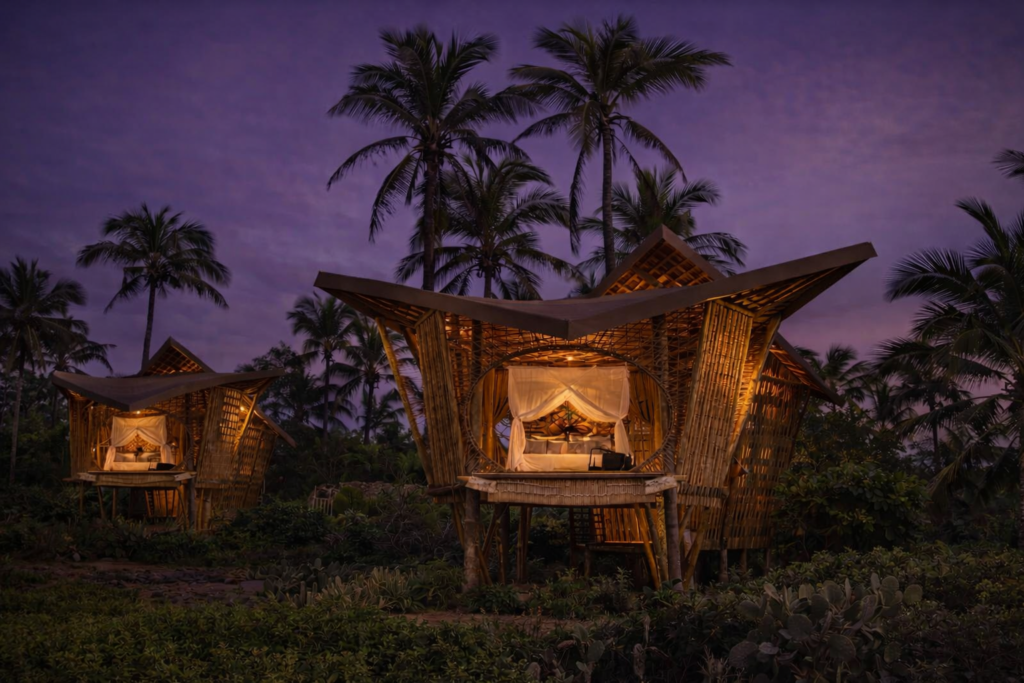
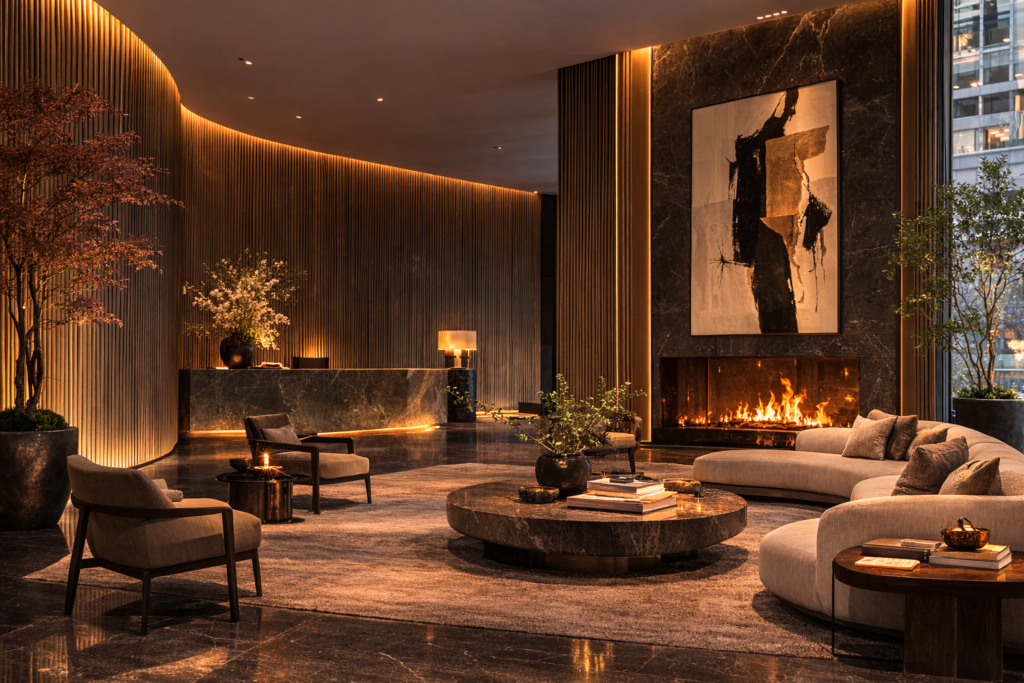
The design ethic of ultra-private retreats is guided by one principle: everything, yet nothing on display. From architecture that blends into landscapes to interiors engineered for quiet luxury, the guest experience is curated through subtle cues rather than statement pieces. Materials are local; finishes dignified but subdued. There are no reception lobbies, no retail spaces, no unnecessary interaction.
Architects like John Pawson and Marcio Kogan have become sought-after names in this movement, crafting homes and villas with spatial purity and minimal footprint. Properties such as Villa Mabrouka in Tangier or the Arijiju retreat in Kenya show how design speaks to a quieter echelon of affluence—one that rejects ostentation for inner sanctuary.
Service Beyond Visibility
In ultra-private hospitality, service must be as invisible as the structures themselves. Staff often work behind curved walls, utilize hidden corridors, and operate under strict codes of non-disruption. The emphasis is on intuition: preemptive wellness therapies, zero-intrusion dining, and guest profiling systems that personalize without ever appearing to observe.
Market observers suggest that elite travelers are moving away from heavily programmed stays. Instead, they are choosing bespoke itineraries driven by silence, solitude, and introspection. Wellness is embedded, not marketed: cryotherapy housed within basalt-lined chambers; chefs preparing biodynamic menus without interaction. The retreat becomes a stage for absence, curated with exacting care.
Geographic Isolation as Asset
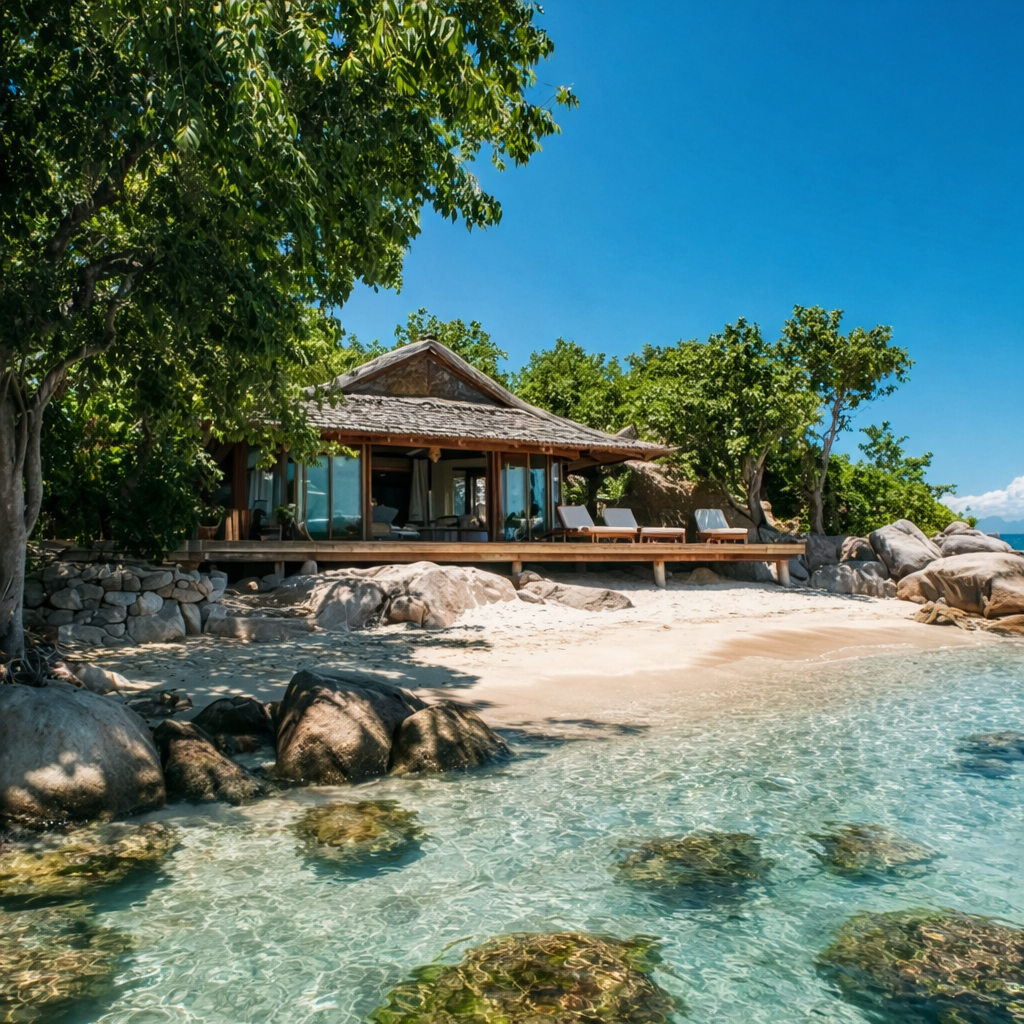
Where luxury once concentrated around access—major cities, high-season clusters, recognizable brand names—today’s luxury retreats favor the periphery. Destinations previously considered unreachable are now investment frontiers: Antarctic eco-lodges with private research staff, restored castles in Eastern Europe with MoMA-acquired art, fjordborne havens accessible only by helicopter.
For many UHNW individuals balancing global visibility with private escape, such locations offer psychological distance from influence, politics, and public view. As a result, geographic inconvenience becomes an emblem of status. If the world cannot reach you, you have, symbolically and literally, arrived.
Membership and the Rise of Invitation-Only Access
Access is also being redefined through exclusivity mechanisms. Increasingly, the most sought-after retreats are moving to invitation-only or membership-based models. Names such as The Marque, The Long Run, and newer entrants like Samujana Residences in Thailand operate with quietly vetted clientele and no public marketing platforms.
This evolution goes beyond privacy—it denotes social curation. Guests often share similar tax brackets, philanthropic affiliations, or investment portfolios. Luxury is no longer transactional. It is relational, curated within closed networks and sustained through shared ethos. Membership, in this new model, is not a fee—it is a filter.
Luxury Technology Without a Trace
Technology in 2025’s ultra-private retreats is both omnipresent and undetectable. Quantum-encrypted Wi-Fi, in-villa AI concierges, biometric access systems—all seamlessly integrated and visually absent. The goal is not to entertain or impress with gadgets, but to elevate peace through imperceptible optimization.
Partners in cybersecurity and hospitality are now collaborating to build systems that preserve digital absence while ensuring seamless function. For a clientele that values both analog tranquility and digital control, this balance has become non-negotiable. Silent luxury, as reflected in technology, is no longer metaphorical.
The Investor’s Perspective
From a business standpoint, the ultra-private space continues to attract private equity and family office capital due to its high margins, low churn, and resilient customer base. Market reports indicate growing interest in non-branded hospitality portfolios and boutique buyouts, particularly in underdeveloped regions prime for ecological restoration and experiential design.
Developers and operators are no longer prioritizing scale, but positioning. A single estate capable of earning seven figures from one annual stay can prove more attractive than an entire boutique hotel chain serving seasonal traffic. Scarcity, in this sector, outperforms scale.
As we look toward 2026, ultra-private retreats remain a strategic bet aligned with the broader shifts in global wealth behavior: toward selective experience, controlled integration, and elevated restraint. The trend does not reflect a rejection of travel, but a reframing—one where visibility is optional, and luxury exists on your terms alone.
The future of hospitality will not be measured in footprints or followers, but in the artful balance of intimacy and invisibility. In the quiet spaces of the world’s most cloistered getaways, the blueprint for modern luxury is being redrawn—with discretion as its signature.