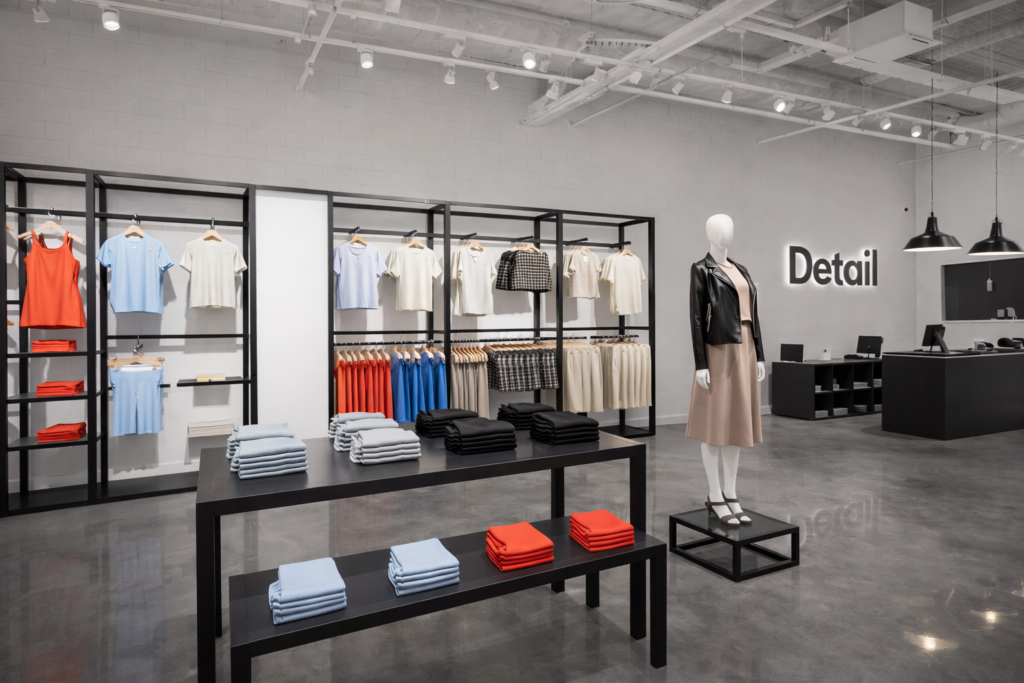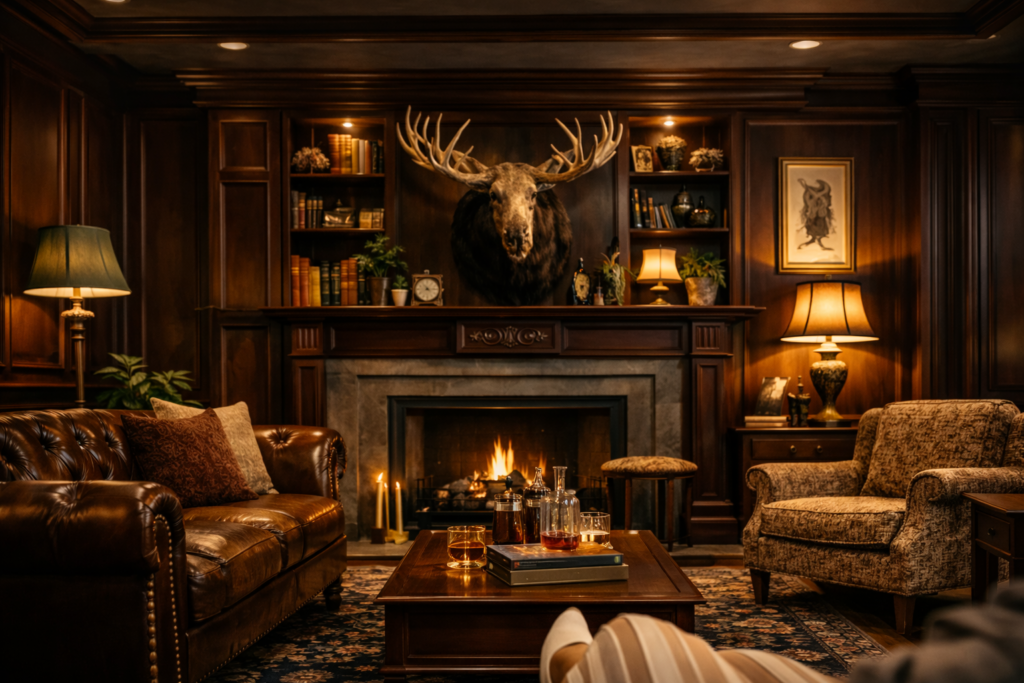
In an age where visibility is easily purchased and excess often mistaken for success, a quiet shift is redefining the parameters of modern affluence. Ultra-high-net-worth individuals (UHNWIs)—those with a net worth exceeding $30 million—are embracing a new ethos: discreet wealth. It is less about what one wears and more about what one knows, less about signaling and more about substance.
A Paradigm Shift in the Luxuriate Landscape
This cultural recalibration is being felt across every category of luxury. According to recent observations from European family offices and private wealth managers, the emphasis on recognizable brands is steadily being replaced by bespoke craftsmanship, heritage materials, and private access. Ownership remains central, but visibility is no longer the goal. A vintage Patek Philippe in original patina speaks more than a dozen diamond-encrusted references ever could.
The new luxury customer—educated, global, and multi-generational—seeks intimacy over spectacle. Private ateliers in Florence replace flagship boutiques. Tailored investment-grade timepieces now hold primacy over seasonal launches. And increasingly, the definition of exclusivity pivots not on public acclaim, but on the ability to remain unseen.
Wealth Management Meets Lifestyle Philosophy
Discreet wealth is not merely aesthetic; it is strategic. Private banks catering to this clientele, such as J.P. Morgan Private Bank and Lombard Odier, report growing interest among UHNWIs to shield their assets not only from tax inefficiencies, but from social overexposure. Privacy now ranks alongside diversification as a pillar of generational wealth planning.
Residences follow suit. Properties in St. Moritz, Gstaad, or Kyoto—chosen for cultural discretion—are increasingly preferred to trophy beachfront homes in highly trafficked enclaves. Private architects, biometric security protocols, and off-market acquisitions are integral to the calculus of invisible luxury. The traditional indicators of wealth, once calibrated for admiration, are now designed for protection.
The New Language of Luxury
This inward turn has also rewritten the language of prestige. Rare materials, legacy knowledge, and provenance have become the new status symbols. Collecting—for passion, identity, or legacy—has eclipsed the pursuit of novelty. Whether in haute horlogerie, fine art, or Burgundy wines, true connoisseurship now serves as both currency and custodian of heritage.
Brands operating in this realm recognize that their most elite clientele prefer understatement. Hermes’s private orders, Loro Piana Interiors, and Boucheron’s haute joaillerie salons operate quietly behind the veil of unmarked entrances and invitation-only presentations. It is luxury without spectacle, excess without noise. As one Geneva collector noted, “The rarest things are never seen—they are known by very few, owned by fewer.”
A Digital Age of Selective Exposure
The rise of discreet wealth stands paradoxically against the backdrop of hyper-visibility driven by social media. Where once luxury marketing courted digital followers and influencers, the current tide favors curated invisibility. Increasingly, UHNW clients seek brands that respect privacy and resist overexposure. For this clientele, to be too visible is to be too accessible.
Crypto-secure transactions, by-invitation virtual showrooms, and members-only platforms have become integral channels for engaging this elusive segment. Even in hospitality, deeply personalized ‘invisible service’ now defines five-star standards. Properties like Aman, The Brando, and Shinta Mani Wild prioritize anonymity, not ostentation. The experience is tailored, deliberate, and entirely off-grid.
Beyond Ownership: Legacy and Preservation
Ultimately, discreet wealth converges with a larger narrative—legacy. Ownership, in this worldview, is temporary. What matters is preservation. Whether acquiring rare manuscripts, restoring Italian palazzos, or establishing private foundations, UHNWIs are increasingly focused on timeless impact rather than transient indulgence.
Philanthropy and purpose-led investments have become vital dimensions of the luxury conversation. Private art foundations, educational trusts, and climate-resilient land acquisitions reflect a deeper intent: to leave a legacy quietly, elegantly, and perhaps anonymously. In this emerging order, discretion is not just a preference—it is an inheritance.
The rise of discreet wealth signals a return to a subtle, deeper form of luxury—one that favors provenance over performance, stewardship over spectacle, and long-term value over instant recognition. As the next generation of UHNWIs inherits not only wealth but worldview, quiet sophistication may prove the most enduring currency of all.