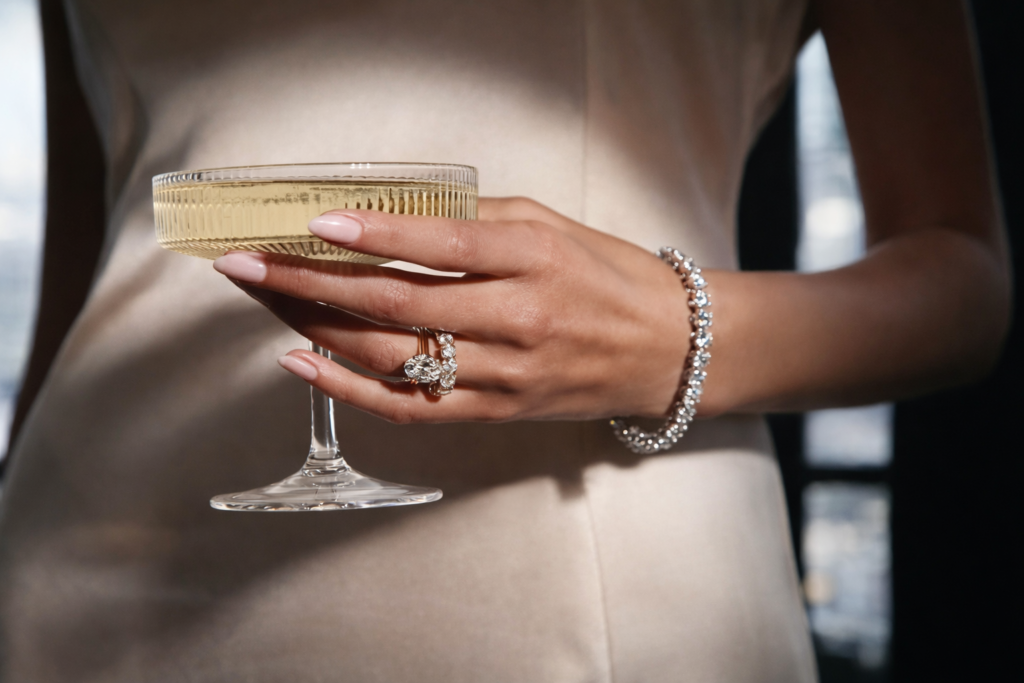
This year, the discourse around high jewelry has grown quieter, yet more consequential. Where maximalist narratives once prevailed, a subtler current has emerged—one shaped not by ostentation, but by connoisseurship. In a climate of selective luxury, fine jewelry has returned to its roots as coded signal and generational repository, rather than mere spectacle. Owning less, but better, now defines the apex of taste.
The Role of High Jewelry in Today’s Luxury Hierarchy
While much of the luxury market has corrected for overexposure, high jewelry holds its position not by visibility, but by pedigree. Market observers suggest a shift away from logomania and fast-luxury consumption has intensified appreciation for bespoke craftsmanship, rare stones, and sovereign provenance. Today’s most coveted pieces are not merely valuable—they are unrepeatable.
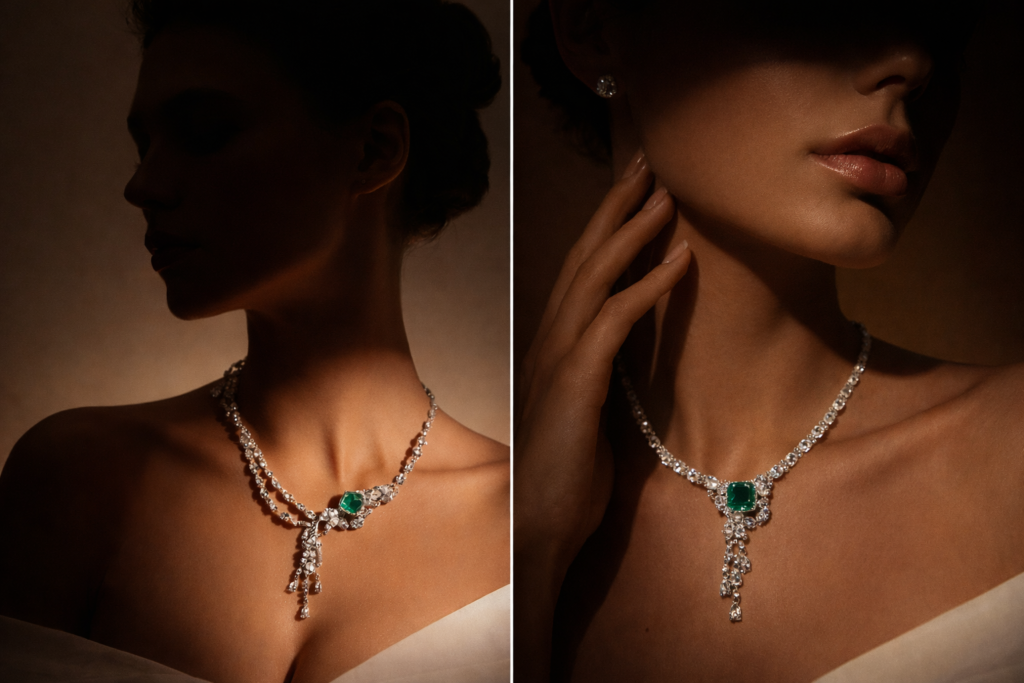
Quiet luxury, a phrase newly popularized yet long practiced by established maisons, favors depth over dazzle. Cartier’s legacy Art Deco revival, Graff’s natural fancy vivid diamonds, and the discreet custom commissions at Van Cleef & Arpels now garner deeper reverence than collections driven by seasonal motifs or celebrity-facing campaigns.
Private Commissions and the Rise of Personalized Heritage
Among high jewelry clients, there is increasing movement toward the private atelier—a world often hidden from public view. Industry analysts note a revival in demand for one-of-one commissions, where clients collaborate with heritage houses on museum-grade designs, often produced entirely off-calendar and outside of commercial lines.
Such projects are frequently safeguarded by confidentiality clauses and exist without red-carpet provenance. Their prestige derives not from public unveiling, but from origin and implication. A Van Cleef heritage brooch inspired by archival sketches, or a Boucheron sautoir built around a family heirloom diamond, carry a value that transcends aesthetics.
Geopolitical Unease and Jewelry as Portable Wealth
As certain global uncertainties intensify, tangible assets have experienced renewed consideration. High jewelry, historically regarded as transportable wealth, has reassumed its stature among discrete investors. Private clients in Asia and the Middle East, according to regional auction specialists, increasingly view key pieces as heritage investments resilient to market volatility.
This discreet wealth-preservation role is not new. What’s changed is its contextual relevance, particularly for cross-border families, dual citizens, and next-generation inheritors facing an unpredictable macroeconomic climate. Unlike real estate or equities, a 12-carat Kashmir sapphire set in platinum carries geopolitical neutrality—and emotional legacy.
The Evolution of Taste: Beyond Brilliance
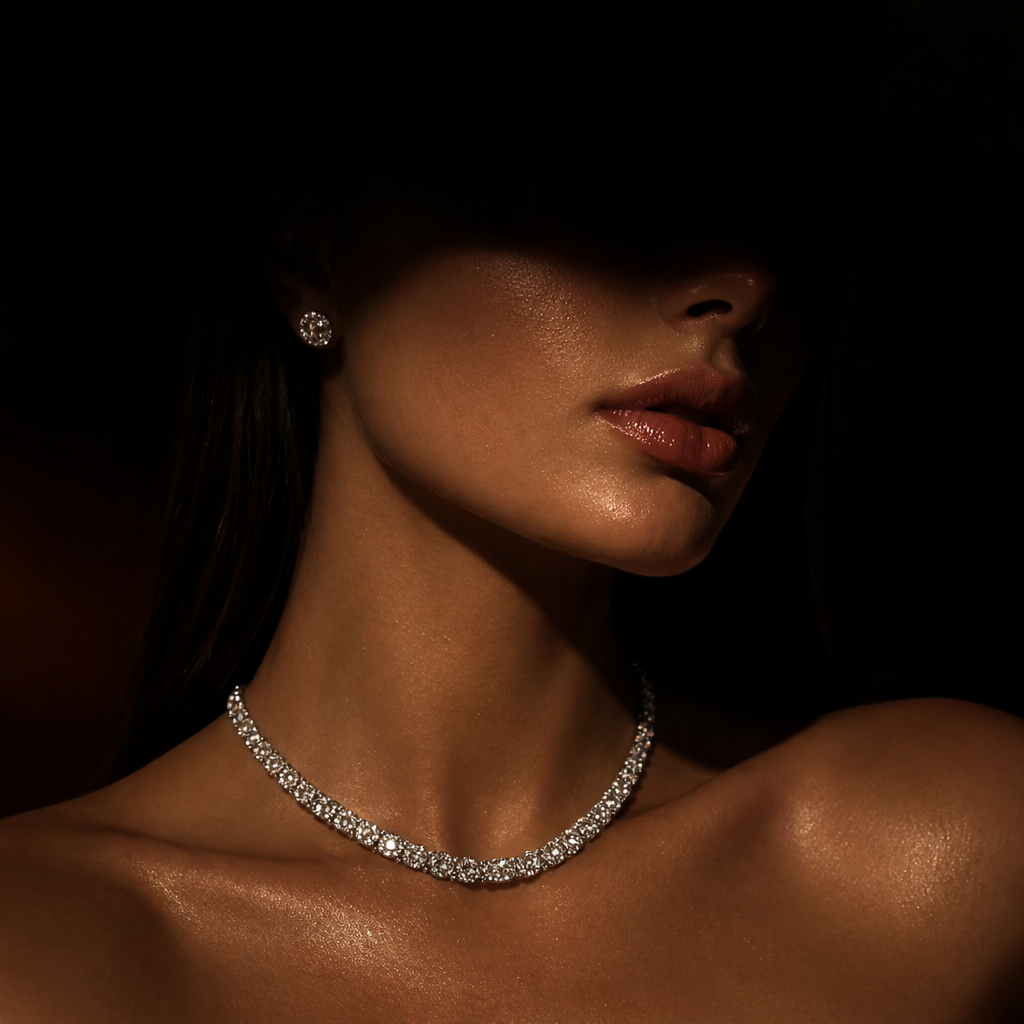
The new conversation around jewelry aesthetics is similarly calibrated. There is diminished appetite for carat-weight bravado. Instead, provenance, uniqueness, and narrative coherence shape desirability. Vintage pieces from the mid-20th century—Bulgari’s Roman-revival styles or Suzanne Belperron’s sculptural forms—have seen a quiet renaissance in private collections and discreet auctions.
Contemporary collectors now favor harmony over trend. Reset heirloom engagement rings, antique enamel transforms, and rare untreated stones point to a deeper language of adornment, extending influence from personal to cultural. Beyond sparkle, high jewelry has always been about fluency—in history, in craftsmanship, and in the intentions of the wearer.
Curation Over Accumulation in the Age of Restraint
Luxury, in its truest form, is not surplus but precision. The high jewelry client in 2025 leans inward. Rather than acquiring for occasion, they acquire for posterity. Taste becomes a private discipline—expressed in the commissioning of a singular bracelet from a heritage workshop, or the meticulous re-setting of a 1930s diamond into a modern minimal silhouette.
Anecdotal insights from Paris-based jewelers who cater to intergenerational collectors suggest an elevation in selectivity. “It is not about more,” notes one atelier director privately, “It is about the right piece, for the right story, at the right moment.”
What Returns When Noise Departs
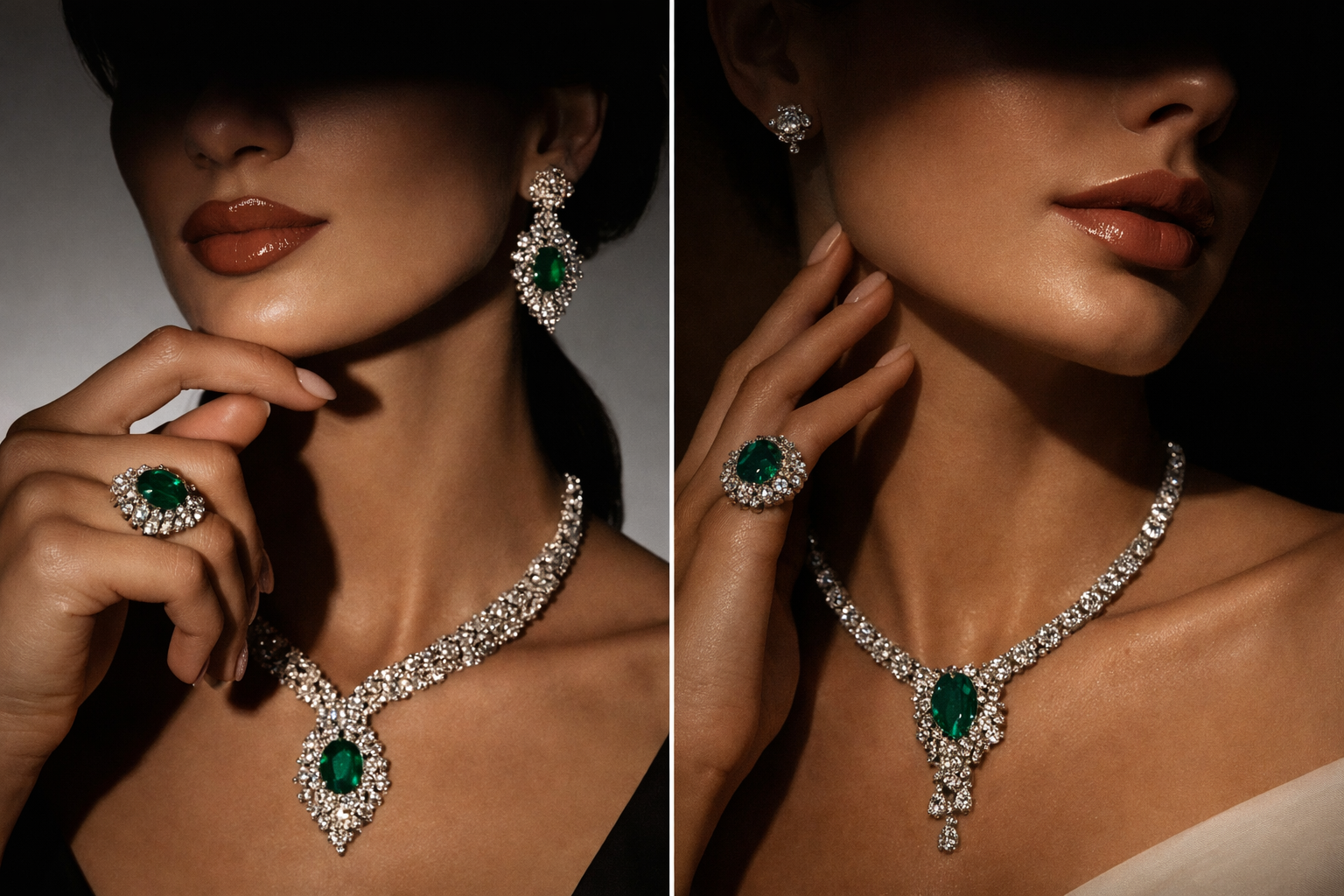
As many sectors of the luxury world continue to chase large-scale relevance, high jewelry endures because it refuses commodification. It is by nature exclusionary—not through social engineering, but through an ethos grounded in excellence and rarity.
In this new era, where cultural and political discretion increasingly shape consumption, exceptionally crafted jewelry stands apart—not merely seen, but deeply held. It needs no announcement. Only understanding.
The renewed allure of high jewelry lies not in its shine, but in its silence. And in a world of accelerating display, that silence speaks volumes.