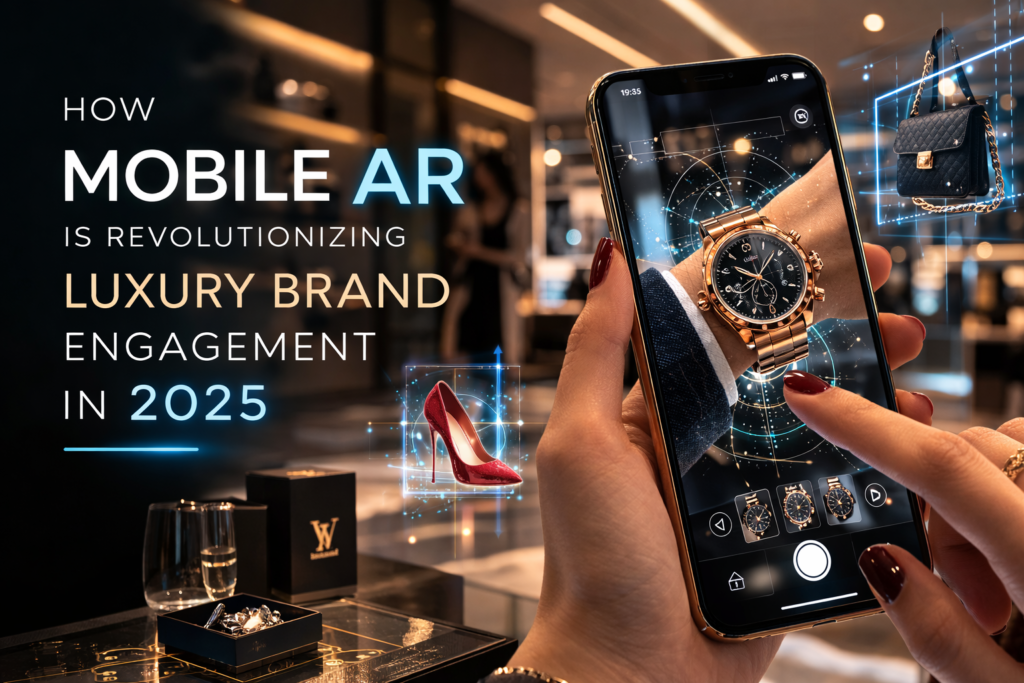
In the evolving world of luxury commerce, augmented reality (AR) has shifted from novelty to strategic differentiator—particularly on mobile platforms. For elite brands seeking to engage affluent, tech-savvy consumers, mobile AR is unlocking new dimensions of immersive storytelling, personalized interaction, and elevated purchasing experiences that echo the prestige of flagship boutiques while extending beyond physical boundaries.
What Is Mobile AR and Why It Matters
At its essence, mobile AR superimposes digital elements onto the real world through a smartphone or tablet—enabling users to interact with products and environments in ways that feel both magical and intuitive. As AR adoption accelerates, luxury brands are increasingly embracing this technology to deepen emotional engagement and enrich the customer journey.
This evolution aligns with broader luxury digital transformation: consumers now expect experiences that are equally refined online as in exclusive boutiques, blending tactile desirability with digital convenience.
1. Virtual Try-On Experiences: Bridging Digital and Physical
One of the most impactful applications of mobile AR is virtual try-on technology—where customers can visualize luxury items on themselves in real time before purchase. This includes eyewear, handbags, makeup, accessories, and even sneakers. By blending real-world imagery with precise digital overlays, brands remove barriers to online buying and cultivate stronger confidence in premium purchases.
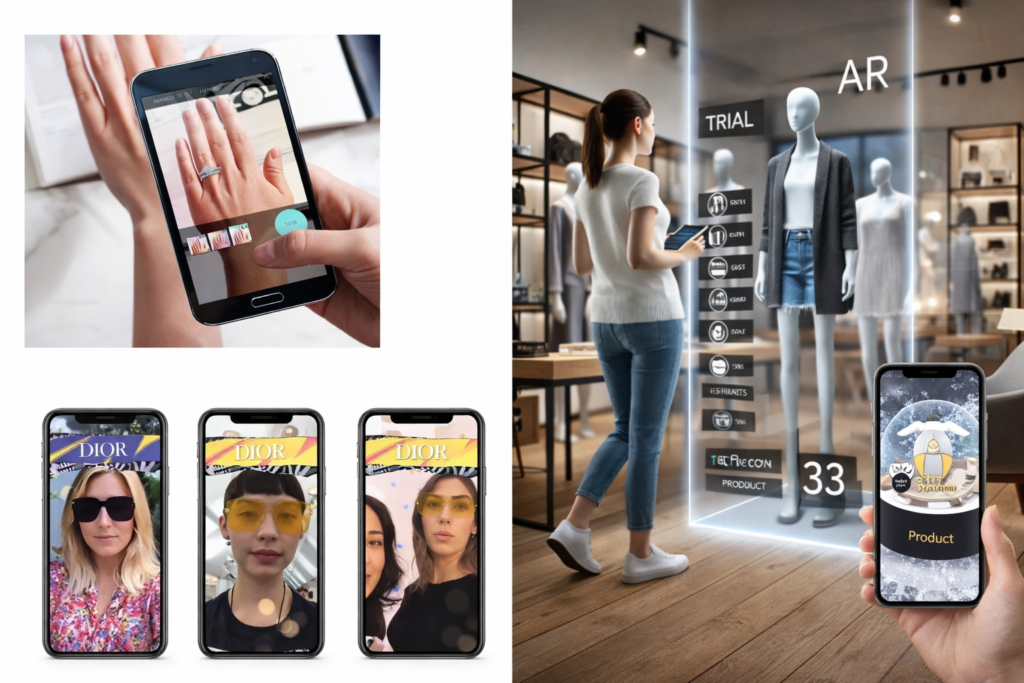
This concept has been widely deployed by leading fashion houses; for example, designers have integrated AR try-ons across social platforms and proprietary apps to allow users to see a product on their own hand, face, or body without visiting a store.
2. AR-Enhanced Brand Lenses and Filters: Cultivating Narrative
Brands are also using mobile AR lenses and filters to create memorable brand stories that resonate socially. These activations often live on platforms such as Snapchat and Instagram, allowing consumers to unlock immersive visual content tied to new collections or campaigns.
Such experiences do more than entertain—they function as subtle extensions of brand identity, enabling iconic houses to embed their aesthetic into users’ daily digital behaviors.
3. Embedded AR Shopping Tools: Interactive Commerce
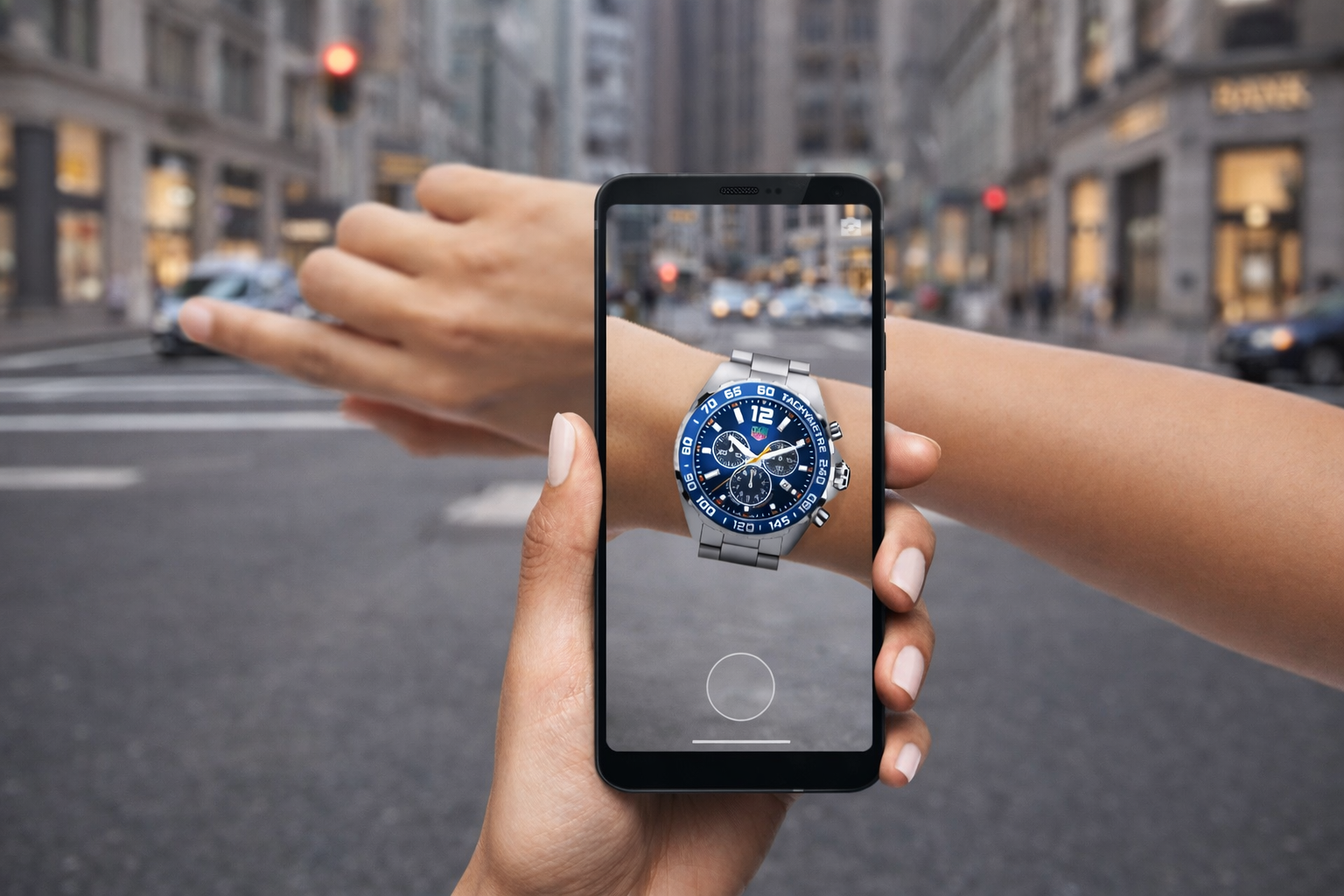
Beyond try-ons and filters, mobile AR can bring products directly into a consumer’s environment. For instance, users can visualize luxury goods—whether a limited-edition handbag or bespoke jewelry—within their own spaces, assessing scale, detail, and fit with unprecedented clarity.
This kind of interactive commerce not only enriches online shopping experiences but also reduces returns and increases buyer confidence, aligning with affluent consumers’ expectations of seamless luxury service.
4. AR Runway Shows: Democratizing Exclusive Access
Luxury fashion shows have traditionally been closed, invitation-only spectacles. Mobile AR is democratizing access by broadcasting augmented runway experiences directly to users’ phones—rendering 3D models or digital fashion elements into their everyday environments.
This approach not only amplifies reach but preserves exclusivity by merging avant-garde presentation with digital immersion.
5. Smart Mirrors and Virtual Showrooms
Augmented reality mirrors—both in-store and mobile-based—allow customers to explore looks and combinations without changing outfits physically, creating a digital fitting environment that supports personalization and discovery.
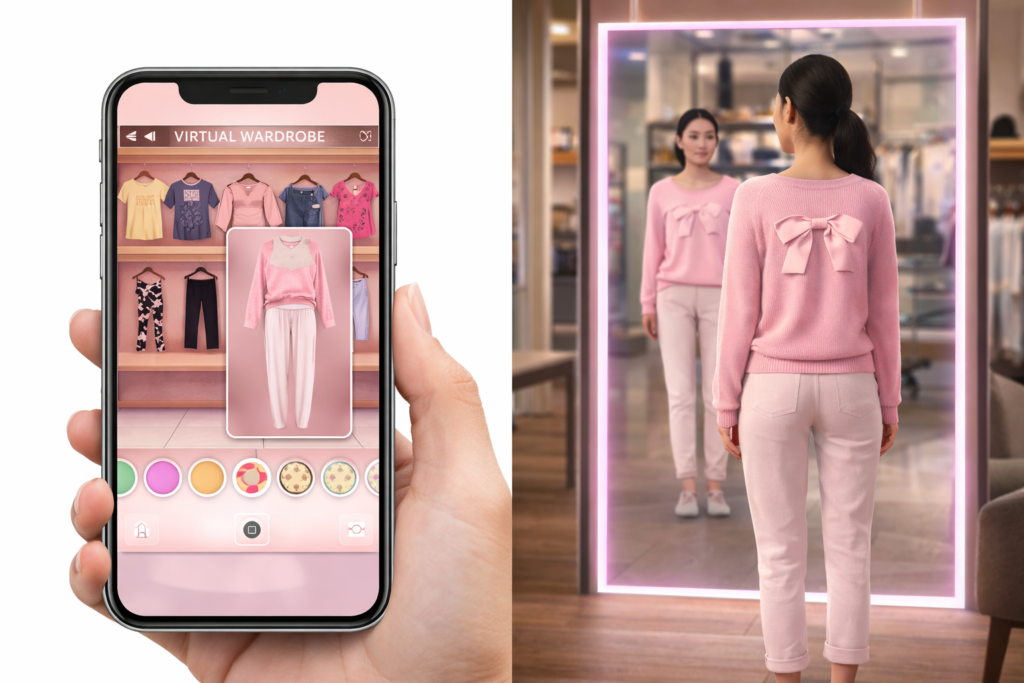
Similarly, AR showrooms give users the sensation of exploring curated collections in a three-dimensional space, guided by gesture, gaze, or touch—bringing the ambiance of flagship boutiques directly to mobile screens.
6. AR-Driven Window Displays
Physical retail windows are being reimagined as digital storytelling canvases through AR. When shoppers scan a display with their phone, static luxury visuals transform into rich animated narratives—highlighting craftsmanship, history, and brand values in immersive ways.
This blend of physical presence and digital sophistication underscores the future of omnichannel luxury retail.
7. Personalized Consumer Journeys
At its core, mobile AR empowers brands to tailor experiences at the individual level. Through data-driven insights and interactive overlays, AR can subtly guide users through custom journeys—whether guiding them to products that fit their lifestyle or inviting them to unlock exclusive digital content tied to loyalty and membership.
The Strategic Advantage for Luxury Brands
For prestigious brands that balance tradition with innovation, mobile AR offers a unique competitive edge. It allows them to:
- Reinforce brand mystique while meeting consumers where they are digitally
- Enhance personalization without sacrificing exclusivity
- Integrate storytelling, commerce, and engagement into a unified mobile experience
- Appeal to both established collectors and emerging affluent cohorts who value interactive luxury
In a landscape where digital ceilings continually expand, mobile AR isn’t simply a marketing tool—it is a strategic platform that elevates how brands connect, sell, and resonate with discerning audiences worldwide.