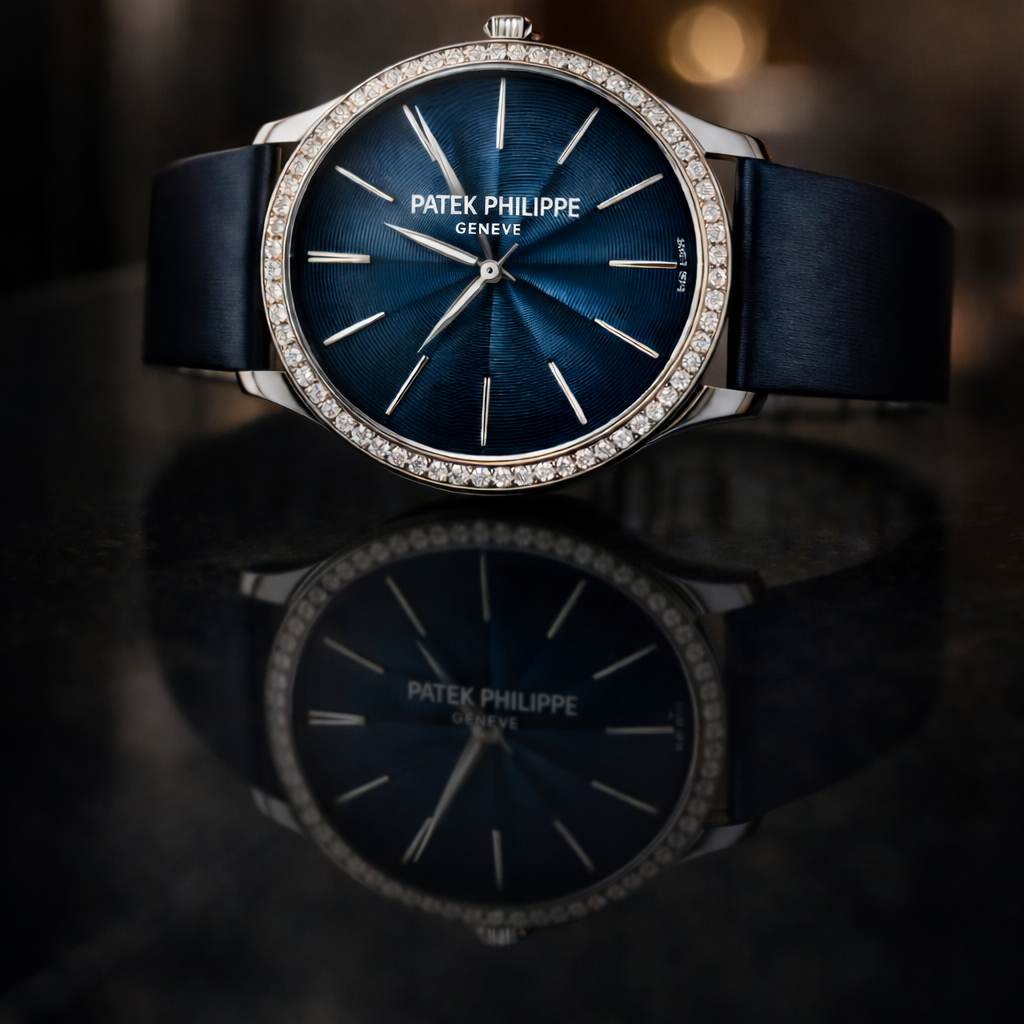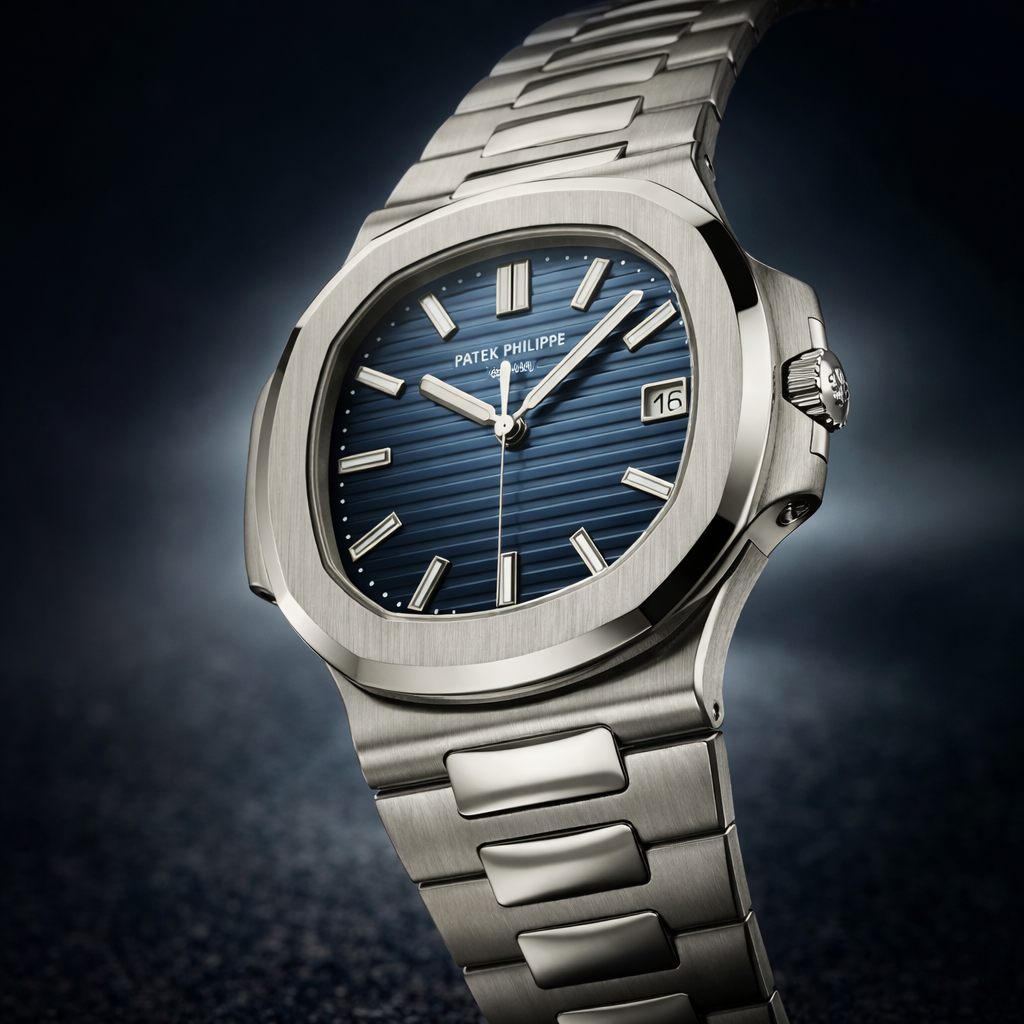
A Patek Philippe is designed to accompany generations—but daily precision still begins with a simple ritual: correct winding, correct setting, and a crown that is always returned to its secure position.
Before You Begin: Know Your Movement
Patek Philippe produces both manually wound and self-winding mechanical movements, each with a slightly different owner routine. Patek’s official instructions consistently revolve around one concept: the winding crown’s positions, and using them in the correct order.
Self-winding models are designed to wind on the wrist, but Patek explains that if the watch has stopped, it can be restarted with a few gentle turns of the crown. Patek Philippe
This is particularly relevant when a watch has been left unworn long enough for the power reserve to run down.
Setting Time and Date: Use the Official Guide for Your Reference
Patek Philippe provides digital “Instructions for use” by simply entering your watch reference number—this is the most accurate path because crown positions and complications vary by model.
For many models with a date aperture, Patek’s official self-winding instructions outline three functional crown positions:
- Position 1: winding
- Position 2: date correction
- Position 3: setting the time
The Crown Rule That Protects the Watch
Patek’s care guidance is clear: after manipulation, ensure the crown (and pushers, where applicable) are returned properly to preserve performance and protection.
Prestige note: If your watch includes advanced complications (moonphase, celestial, perpetual calendar), use Patek’s official settings tools and instructions for those complications rather than improvising.
Official source link to Patek Philippe