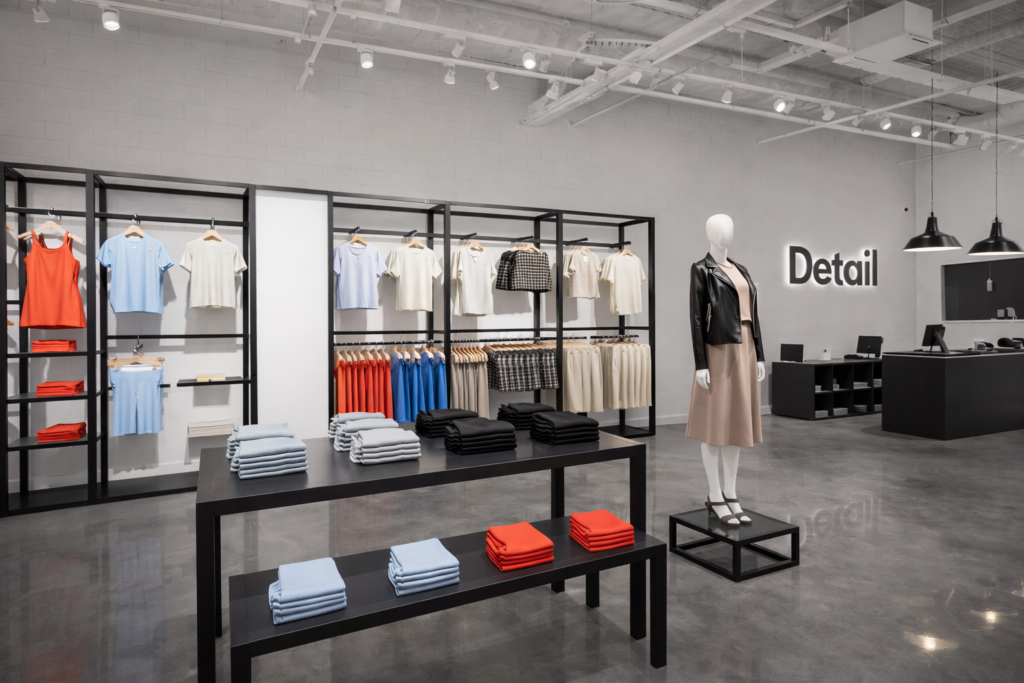
In 2024, digital transformation has become one of the most decisive forces shaping the future of the global luxury industry. What was once perceived as a potential threat to exclusivity is now recognized as a powerful enabler—allowing luxury brands to deepen relationships, elevate personalization, and extend prestige beyond physical spaces.
Digital luxury transformation is no longer about visibility alone. It is about curating elite experiences in a digital-first world, while preserving the craftsmanship, heritage, and scarcity that define true luxury.
From Hesitation to Strategic Adoption
Historically, luxury houses were cautious in adopting digital channels, wary that accessibility might dilute brand equity. That paradigm shifted permanently in recent years, as digital touchpoints became essential rather than optional.
Today’s high-net-worth consumers expect the same level of refinement online as they do in flagship boutiques. The digital experience must reflect exclusivity, discretion, and personalization—values that are now being embedded into every layer of the luxury ecosystem.
Prestigious maisons such as Louis Vuitton, Chanel, and Hermès have responded by transforming their digital platforms into extensions of their physical maisons, offering private online access, curated collections, and bespoke client journeys.
The Evolution of Luxury E-Commerce
Luxury e-commerce in 2024 is defined by subtlety rather than scale. Rather than competing on volume, elite brands focus on precision, personalization, and controlled access.
Virtual showrooms, invitation-only digital collections, and AI-driven recommendations now allow brands to mirror the intimacy of in-store consultations. Clients are guided through tailored product selections, often supported by private advisors who operate seamlessly across physical and digital environments.
The result is a frictionless experience where technology enhances—not replaces—the human touch.
Immersive Technologies and Experiential Luxury
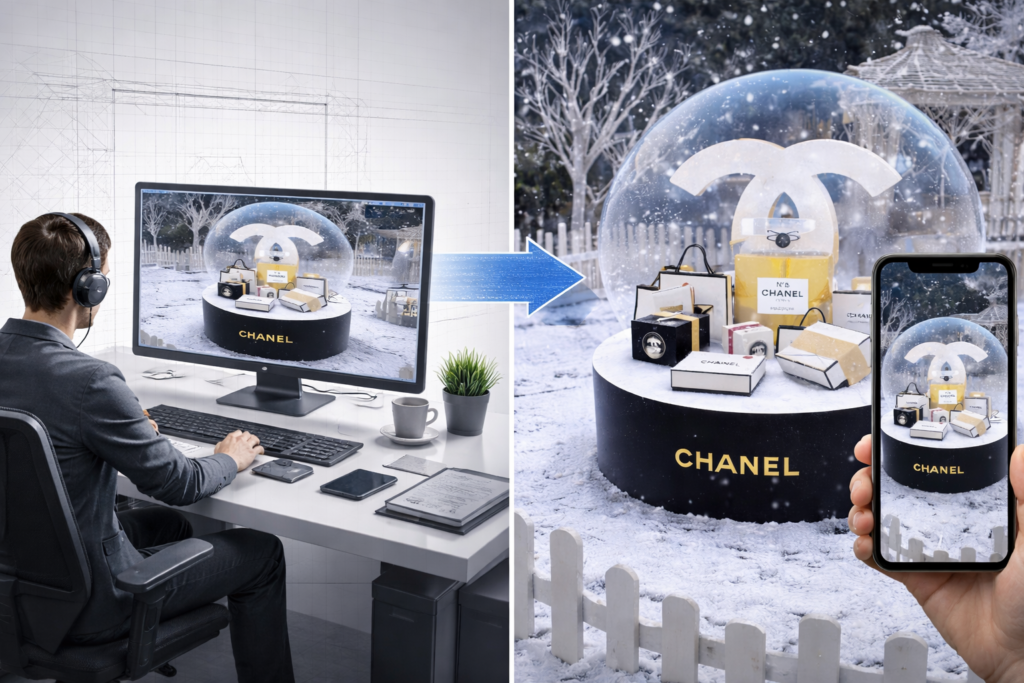
Beyond commerce, digital transformation is redefining how luxury is experienced. Immersive technologies such as augmented reality (AR) and virtual reality (VR) are enabling brands to create environments that transcend geography.
For example, Gucci has leveraged AR technology to allow clients to virtually experience products before purchase, while Dior has explored VR as a medium for transporting audiences into exclusive fashion presentations and brand narratives.
These technologies are not gimmicks—they are storytelling instruments, reinforcing brand mythology while offering clients privileged access to worlds that feel both intimate and aspirational.
Artificial Intelligence and Hyper-Personalization
Artificial intelligence plays a critical role in the next phase of luxury evolution. Through advanced data analysis, AI enables brands to anticipate preferences, refine recommendations, and tailor communication with remarkable precision.
For affluent clients, this translates into:
- Personalized product discovery
- Context-aware client engagement
- Bespoke offers aligned with lifestyle and purchase history
When deployed discreetly, AI enhances relevance without compromising privacy—an essential balance in the luxury space.
Social Media as a Digital Salon
Social platforms have become modern-day salons where luxury brands cultivate culture, influence, and community. Channels such as Instagram, TikTok, and WeChat are no longer marketing add-ons; they are strategic environments for narrative-building and audience connection.
Luxury brands use these platforms to:
- Showcase craftsmanship and behind-the-scenes artistry
- Engage emerging generations of affluent consumers
- Maintain cultural relevance without sacrificing heritage
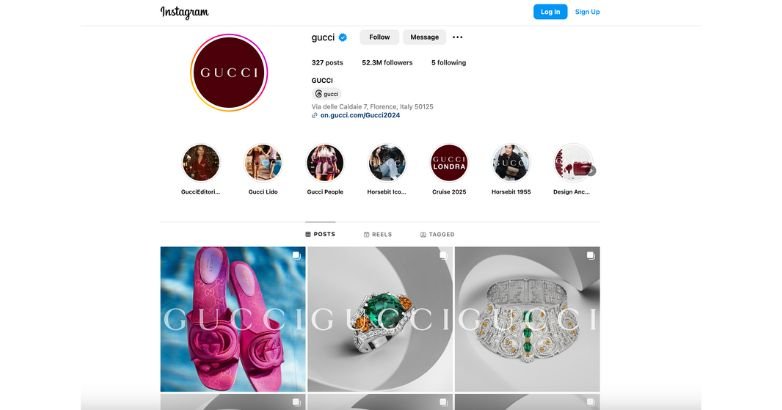
The most successful brands understand that social media is not about mass appeal, but selective resonance—speaking to the right audience with clarity and restraint.
Preserving Exclusivity in a Digital World
Perhaps the greatest challenge—and opportunity—of digital luxury transformation lies in maintaining exclusivity. In 2024, luxury is not defined by how many people can access a brand, but by how intelligently access is curated.
Limited digital releases, private online events, and gated content ensure that technology enhances scarcity rather than eroding it. Digital channels become filters, not megaphones.
The Future of Luxury Is Hybrid
As the luxury industry looks ahead, one truth is clear: the future belongs to brands that master the balance between tradition and innovation. Digital transformation is not replacing physical experiences—it is amplifying them.
In 2024, digital luxury transformation represents a strategic evolution. It allows brands to remain culturally relevant, operationally agile, and deeply personal, while continuing to deliver the timeless values that define prestige.
For luxury houses willing to innovate with intention, technology is not a disruption. It is a new dimension of excellence.