In a shifting real estate landscape increasingly defined by experiential consumption and transitory living, ultra-luxury hospitality residences have become the modern elite’s preferred investment. These branded enclaves, housed within or adjacent to flagship hotels, offer curated intimacy, architectural excellence, and privileges previously gated behind VIP status. The appeal resides not only in their aesthetics and locations but in a lifestyle defined by discretion, ease, and access—all underpinned by premier hotel-grade service.
Where Real Estate Meets Elevated Service
The ultra-luxury hospitality residence—unlike a conventional pied-à-terre or investment condo—is shaped by a persistent alignment with five-star hotel brands. Owners acquire more than square footage; they access an ecosystem of round-the-clock amenities managed seamlessly by a name they already trust. Market observers suggest that this fusion of private living and world-class hospitality continues to outperform even traditional luxury condominiums in both appeal and resilience.
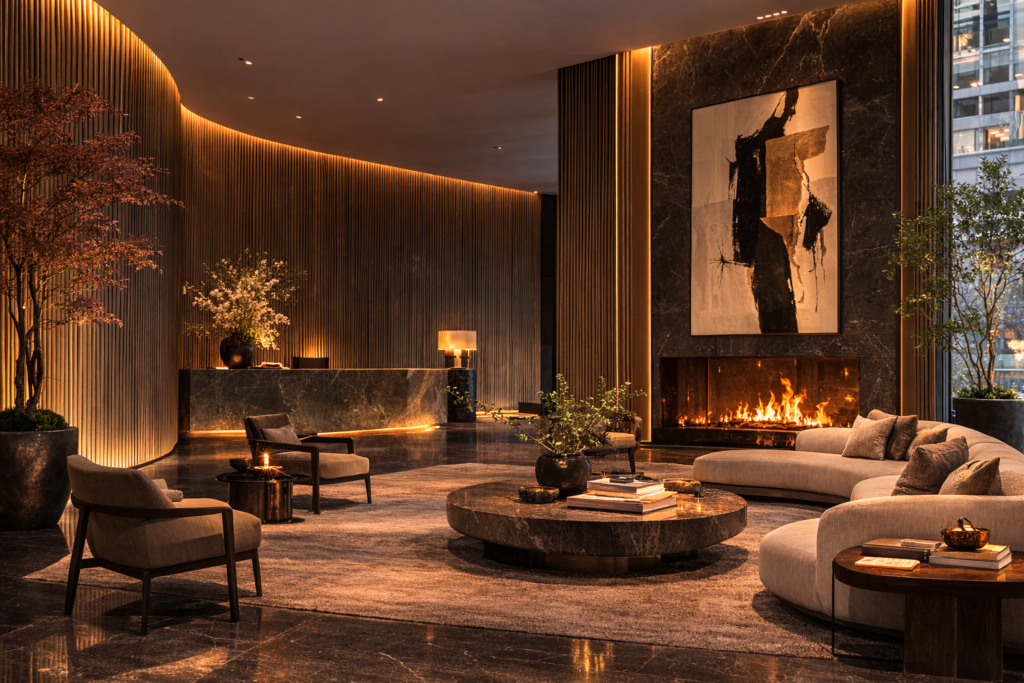
What distinguishes this new blueprint for high-level living is its architectural intentionality. These properties transcend the precepts of aping hospitality features. Instead, they redefine them. Four Seasons Private Residences Los Angeles, for instance, integrates Bauhaus minimalism with Californian volumetric openness, while Aman’s forthcoming residences in Tokyo channel contemplative Japanese design—shoji screens, subdued palettes, and spatial restraint.
St. Regis, Aman, Four Seasons, and Mandarin Oriental have all expanded their footprint into branded residences, with global portfolios extending from New York to Bangkok, Dubai to Lake Como. In each, a consistent hallmark: service as substance, not embellishment. Residents enjoy privileges such as private entrances, dedicated staff, spa access, and concierge teams angularly tailored to individual preferences.
Architectural Identity and Context
Designers and architects are increasingly working with hospitality brands to create contextually resonant spaces. The result: turn-key addressees that feel hyperlocal while offering the universality of attentive service—a confluence tailored to affluent global owners accustomed to seamless transition across continents.
Global Demand and Investment Value
According to recent market reports, branded residences operate with a price premium that can range from 25% to 40% compared to non-branded peer assets. Yet this is not about yield maximization. For buyers in the UHNW category, security, service consistency, and liquidity are paramount. These residences offer the promise of long-term relevance, sustained by the collateral of global hotel brand equity and prime location scarcity.
The model adapts effortlessly across geographies. In Miami, branded towers emerge along prized coastlines; in London and Paris, heritage buildings are being reimagined into limited edition homes. In Dubai and the Riviera Maya, private resorts with extended stay residential wings cater to intercontinental mobility. Each speaks to specific audience demand—retired industrialists, tech entrepreneurs, heirs of family wealth—but shares a singular imperative: security, discretion, and familiarity in a polished, professionally managed environment.
Privacy Reimagined
In the era of hyper-visibility and digital intrusion, ultra-luxury hospitality residences answer a new expectation: comfort without compromise, privacy without isolation. Discreet entrances, in-residence meal service, and security protocols designed not for crisis but for continuity elevate these spaces into something deeply intimate—sanctuaries rather than showcases.
While amenities such as pools, wellness centers, and valet are expected, it is personalization that defines their superiority. From curated art advisory programs to wine cellar specialists and private chefs on call, the line between home and hospitality has never been more finely drawn.
A Generational Mindset Shift
For the next-generation high-net-worth cohort—accustomed to transnational living and intangible luxury—these residences align with a desire for mobility paired with meaningful permanence. They are not homes to settle in indefinitely; they are bases, hubs, orchestrated environments that allow the flow of responsibilities, leisure, and family life without interruption or friction.
Industry analysts note that demand from younger buyers has driven developers to rethink legacy models. Residential offerings within hospitality brands must now signal cultural fluency, wellness intention, and tech-forward integration. Sophisticated buyers no longer equate opulence with ornament: they seek functional luxury, rarely static, always streamlined.
What Lies Ahead
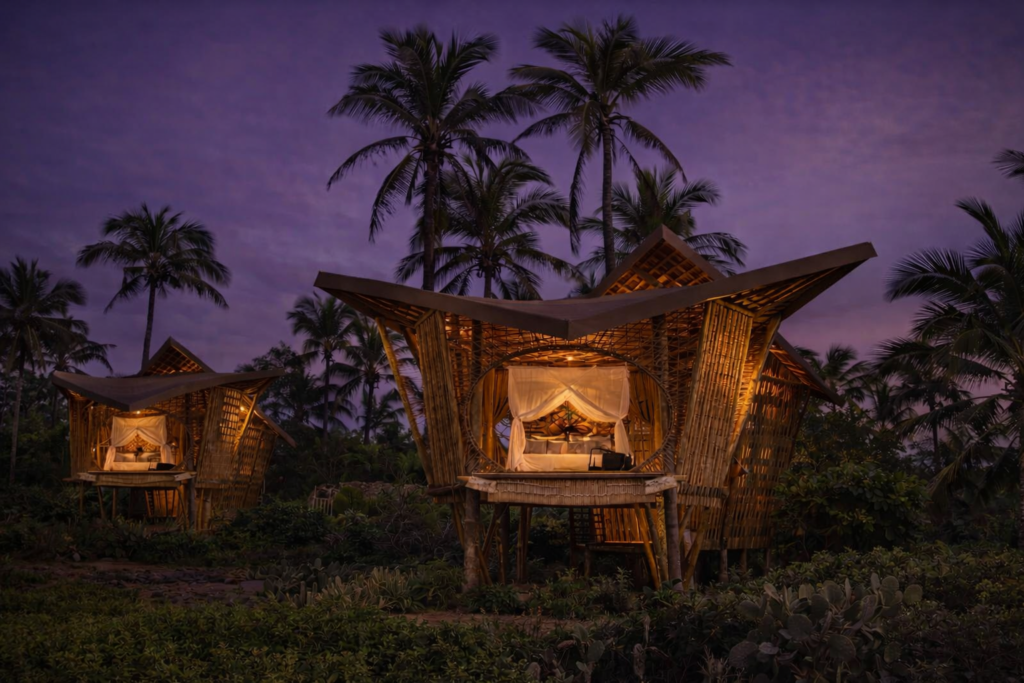
Across urban and resort markets, the concept continues to evolve. Eco-integrated branded residences are surfacing in Costa Rica and the Maldives, while high-rise vertical estates in Asia offer both panoramic views and biometric security. Meanwhile, hybrid products—part residence, part private members’ club—are quietly emerging in markets like Hong Kong and Geneva.
What remains certain is this: the pursuit of elevated living has matured. It is no longer enough to acquire exclusivity by seclusion alone. Today, it must be serviced, secured, curated—and consistently aligned with the evolving definitions of privacy, prestige, and purpose.
Ultra-luxury hospitality residences reflect not only a reimagining of space but a re-centering of priorities. For those who can afford to choose anywhere in the world, these sanctuaries offer something rarer: the feeling of being precisely where one belongs.