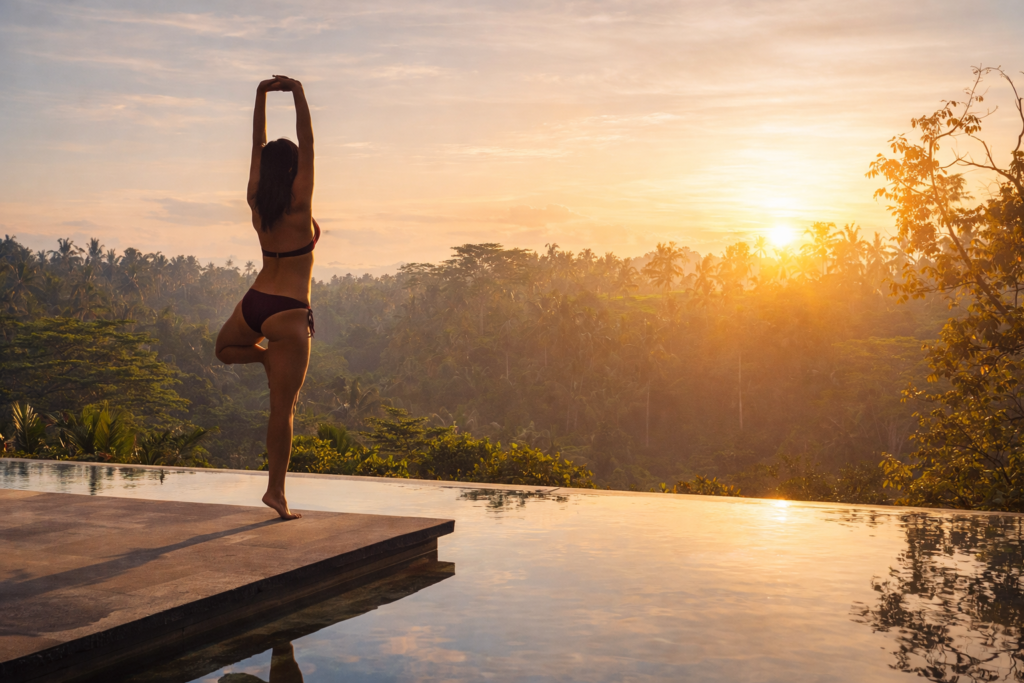
The global wellness industry has entered a new chapter—one where traditional five-star indulgence is reimagined as a deeply personal, soul-restorative journey. Ultra-luxury wellness retreats have emerged not merely as destinations, but as sanctuaries of transformation for today’s discerning traveler. From the Himalayas to the Cyclades, this elevated sector is driven by a desire for holistic renewal anchored in seclusion, intention, and individualized care.
A New Travel Archetype
Affluent globetrotters are no longer chasing the merely exotic. In a post-pandemic paradigm, they seek immersive experiences that balance inner clarity with world-class comforts. According to industry analysts, demand for exclusive wellness retreats has outpaced broader luxury travel—driven by C-suite executives, creatives, and entrepreneurs looking not just to recover, but reset. Healing is the new luxury.
This movement is subtle in its language, understated in its branding, and uncompromising in its execution. The ethos: minimal interruption, maximal intention.
Privatized, Personalized, and Prescribed
Today’s ultra-luxury wellness experiences are built on discretion and precision. Stays are often bespoke to the molecular level—literally. Metabolic diagnostics, genome testing, and integrative longevity protocols have replaced the generic spa menu. The most elite properties now resemble wellness laboratories cloaked in natural beauty.
Practitioners—from Ayurvedic physicians to neuroscientists—are retained not for their titles, but for their ability to deliver results. Privacy is non-negotiable. Properties such as Clinique La Prairie in Switzerland or Aman New York’s Wellness Centre integrate rigorous clinical sophistication with the polish expected by UHNW clientele.
This is curative hospitality on a cellular scale.
Designing Space for Stillness
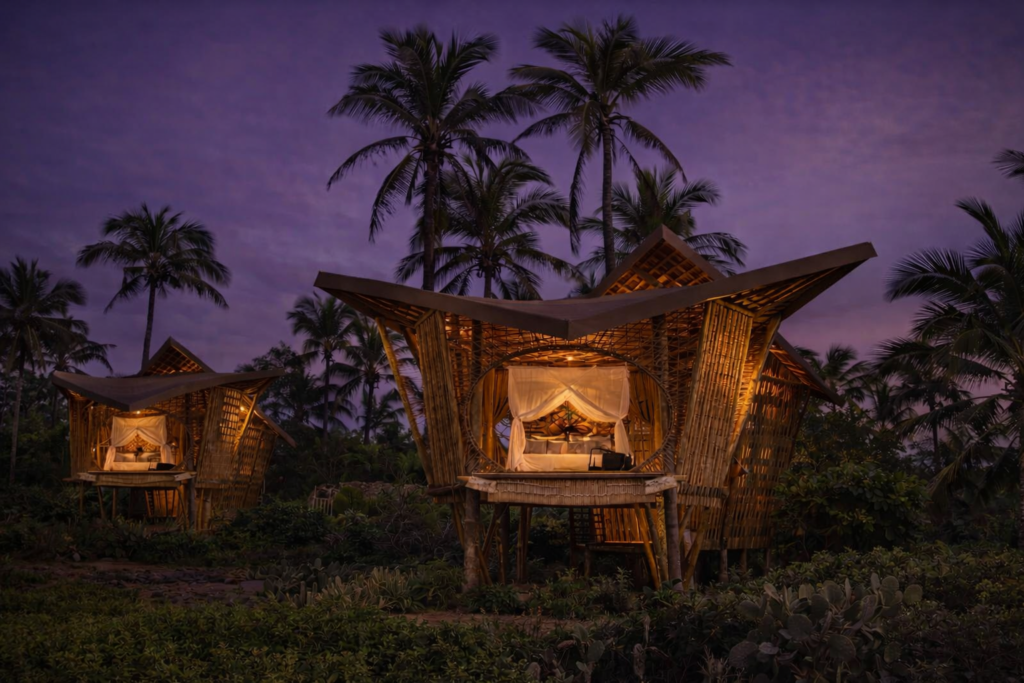
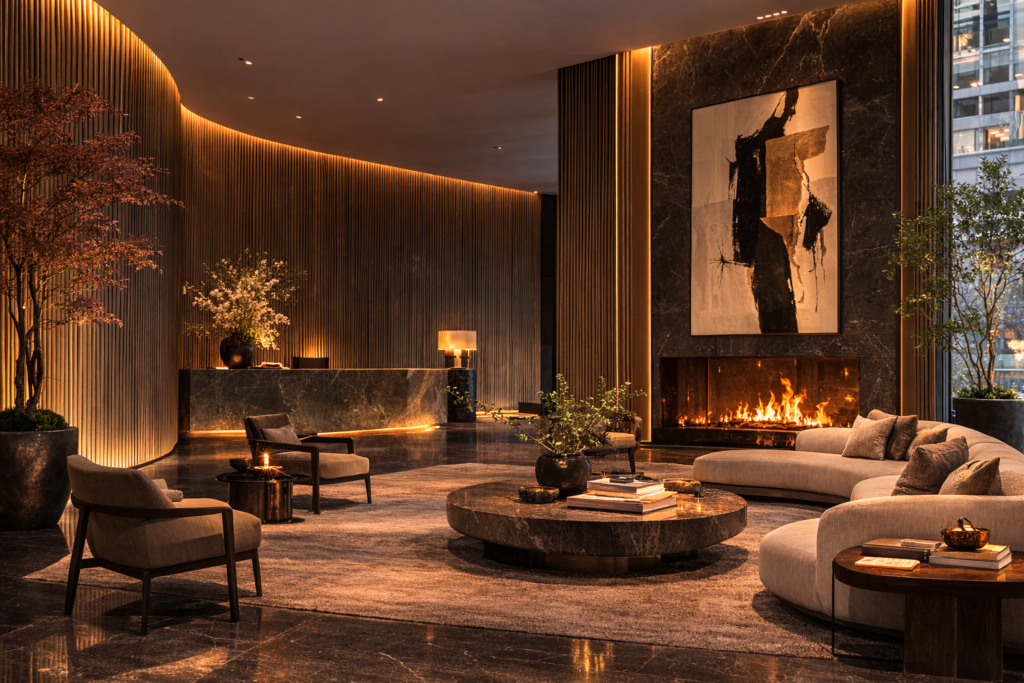
The architecture of these retreats mirrors their deeper intention. In Tulum, Sri Lanka, and on Mykonos’ less-traveled hills, wellness sanctuaries unfold as open, elemental compounds—glass, local stone, water, air. Interiors emphasize biophilic design, drawing sensorial calm from tonal restraint and elemental materials. Everything speaks to connection rather than excess.
Few properties illustrate this better than the Lefay Resort & SPA Dolomiti or COMO Shambhala Estate. At these locations, healing is not performed, but quietly facilitated. Lighting, scent, temperature—every sensory detail is choreographed in alignment with a guest’s prescribed wellness approach. Here, interior design becomes a therapeutic interface.
Time as the New Prestige
Industry observers suggest that the most valuable currency in ultra-luxury wellness is no longer money, but time. Retreats are extending well beyond long weekends to multi-week or even seasonal commitments. The notion of a sabbatical for renewal—as opposed to escape—is influencing how properties structure their experiences.
Packages emphasize continuity: pre-arrival diagnostics, in-stay progression models, and post-retreat consultations. It is not uncommon for guests to collaborate with a team of experts—functional medical professionals, performance coaches, and traditional healers—weeks prior to arrival. The result is a wellness arc that is longitudinal, not episodic.
Case in Point: Palace Merano
At the esteemed Palace Merano in Italy, the Revital Method of Dr. Henri Chenot combines advanced diagnostics and detox therapies in a week-long regimen that attracts celebrities, royalty, and titans of finance alike. The experience is immersive and methodical—signaling a more disciplined, results-oriented approach to self-care.
Elsewhere, properties like SHA Wellness Clinic in Spain and the newly opened The Ranch Hudson Valley in New York have pivoted from indulgence to efficacy. Programs emphasize measurable transformation, often guided by full-time medical teams and supported by tailored nutritional schemes and cleanse regimens.
The Business of Restorative Travel
For investors and developers, the ultra-luxury wellness sector represents a sophisticated intersection of hospitality, health science, and behavioral psychology. Market reports highlight increased capital allocation toward boutique, wellness-led properties situated in pristine, often remote environments. Brands like Six Senses and One&Only have expanded their wellness portfolios, betting on long-return engagement over high-throughput volume.
This aligns with a growing demographic that views healthspan as a premium asset—where elite preventive care is purchased with the same discernment once reserved for collectibles or couture real estate. The clientele is high-stakes: individuals for whom performance, longevity, and presence are paramount.
Where the Sector Is Headed
As the definition of luxury continues to evolve, so too does the wellness retreat. Experts predict an increased fusion of spiritual disciplines with bio-optimization. Mindful fasting, breathwork immersion, and ceremonial plant medicine are being integrated in safe, structured formats under elite care. The future may see spiritual sanctity paired with biometric feedback loops—a paradox only the luxury sector can render seamless.
Equally, concierge travel firms now offer year-round wellness itineraries, threaded with seasonal themes and supported by on-call wellness advisors. For the ultra-wealthy, this cultivates a sense of sustained well-being across geographies, rather than a singular destination-oriented fix.
Quiet, contemplative, and unapologetically refined—ultra-luxury wellness retreats are less about escaping life and more about mastering one’s presence within it. Discreetly powerful, they are reshaping how the world’s elite define success, beauty, and vitality at the highest level.